Specialty Coverage
Earthquake Insurance: Protect Your New York Home
Affordable coverage for unexpected seismic events—because your standard homeowners policy won't cover earthquake damage.
- Low Annual Premiums
- Multiple Deductible Options
- Easy to Add to Existing Policy
- Long History
- NY has a documented history of earthquakes
- 5-20%
- Typical percentage-based deductible
- 0%
- Standard policies covering earthquakes
Important: Your Homeowners Policy Excludes Earthquakes
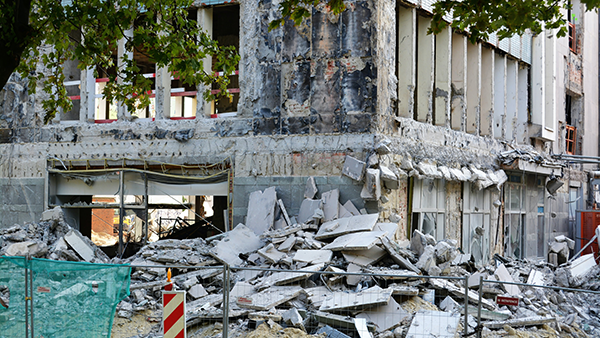
Standard homeowners and renters insurance policies do not cover earthquake damage. This means damage to your home's foundation, walls, chimney, and personal belongings from a seismic event would be entirely your responsibility without separate earthquake coverage.
What Is Earthquake Insurance?
Earthquake insurance is a specialized coverage designed to help protect your home and belongings from damage caused by seismic activity. While earthquakes may seem like a California concern, New York has a documented history of seismic events—and even a moderate earthquake can cause significant structural damage to your home.
Unlike flood insurance, earthquake coverage is typically available as either an endorsement (add-on) to your existing homeowners policy or as a standalone policy. The coverage works similarly to your homeowners insurance, providing protection for your dwelling, other structures, personal property, and additional living expenses.
Because earthquakes are relatively rare in New York, premiums tend to be more affordable than in higher-risk regions. Many homeowners find earthquake coverage to be a worthwhile addition to their overall insurance program.
How Earthquake Insurance Works
- 1Purchase coverage as an endorsement or separate policy
- 2Choose your deductible (typically 5-20% of dwelling coverage)
- 3If an earthquake damages your home, file a claim
- 4Pay your deductible, insurance covers the rest up to your limit
Earthquake Risk in New York State
Many New Yorkers are surprised to learn that our state has a significant earthquake history. While we don't experience the frequency of California, New York's seismic activity poses real risks to property owners.
Historical Earthquakes in New York
- •1884 Brooklyn Earthquake: Magnitude 5.2, felt from Virginia to Maine, caused widespread damage
- •1944 Massena Earthquake: Magnitude 5.8, one of the largest in NYS history, damaged buildings and roads
- •2002 Plattsburgh Earthquake: Magnitude 5.1, caused minor structural damage across Northern NY
- •2011 Virginia Earthquake: Magnitude 5.8, felt strongly throughout New York City and Long Island
Seismic Zones in New York
New York has several active fault zones that can produce earthquakes:
- •Ramapo Fault: Runs through the lower Hudson Valley
- •Adirondack Zone: Covers northern New York
- •St. Lawrence Rift: Along the Canadian border
- •Western NY Zone: Near Buffalo and Rochester
Why Low Frequency Doesn't Mean Low Risk
Even a moderate earthquake (magnitude 5.0-5.9) can cause significant damage to homes, particularly older masonry buildings common in New York. Foundation cracks, chimney damage, and structural issues can cost tens of thousands of dollars to repair—costs that would be entirely out-of-pocket without earthquake insurance.
What Earthquake Insurance Covers
Typically Covered
- Dwelling Structure: Foundation, walls, roof, and attached structures
- Other Structures: Detached garages, sheds, fences
- Personal Property: Furniture, electronics, clothing damaged in the quake
- Additional Living Expenses: Hotel, meals, and temporary housing if displaced
- Chimney Damage: One of the most common earthquake damages
- Foundation Cracks: Structural foundation damage repair
Common Exclusions
- Flood Damage: Earthquake-triggered floods require separate flood insurance
- Fire Damage: Usually covered by standard homeowners insurance
- Vehicle Damage: Covered under auto comprehensive coverage
- Land Movement: Sinkholes, landslides not caused by earthquake
- Pre-existing Damage: Cracks or damage that existed before the quake
- Nuclear/War: Damage from nuclear events or acts of war
Covered causes and exclusions vary by carrier and policy. Always refer to the policy as issued for the controlling terms.
Understanding Earthquake Deductibles
Earthquake insurance deductibles work differently than your regular homeowners deductible. Instead of a fixed dollar amount, earthquake deductibles are typically expressed as a percentage of your dwelling coverage limit.
| Home Value | 5% Deductible | 10% Deductible | 15% Deductible | 20% Deductible |
|---|---|---|---|---|
| $200,000 | $10,000 | $20,000 | $30,000 | $40,000 |
| $300,000 | $15,000 | $30,000 | $45,000 | $60,000 |
| $400,000 | $20,000 | $40,000 | $60,000 | $80,000 |
| $500,000 | $25,000 | $50,000 | $75,000 | $100,000 |
Lower Deductible (5-10%)
- Higher premium cost
- Lower out-of-pocket after a claim
- Better for those who want maximum protection
- Ideal for older or masonry homes
Higher Deductible (15-20%)
- Lower premium cost
- Higher out-of-pocket after a claim
- Best for budget-conscious homeowners
- Good for newer, earthquake-resistant homes
What Affects Your Earthquake Insurance Cost?
Construction Type
Wood-frame homes are more flexible and resist earthquake damage better than brick or masonry structures. Masonry homes may cost more to insure.
Location
Proximity to known fault lines and soil type affect rates. Areas with bedrock are typically less expensive than those on soft soil.
Age of Home
Older homes built before modern building codes may cost more to insure. Retrofitting can sometimes reduce premiums.
Coverage Amount
Higher dwelling coverage limits mean higher premiums. You should insure for the full replacement cost of your home.
Deductible Choice
Choosing a higher deductible percentage (15-20%) will significantly lower your annual premium.
Number of Stories
Multi-story homes may have different risk profiles than single-story homes, affecting premium calculations.
Find Out How Little Earthquake Insurance Costs
Most New York homeowners are surprised at how affordable earthquake coverage is. Get a personalized quote in minutes.
Who Should Consider Earthquake Insurance?
Property Types
- Single-family homes – Protect your largest investment
- Condominiums – Coverage for your unit and belongings
- Townhouses – Protect shared walls and structures
- Rental properties – Landlord earthquake coverage
- Mobile/manufactured homes – Often overlooked coverage need
Especially Important For
- Older brick/masonry homes – Higher damage risk
- Homes with chimneys – Most common damage point
- Properties near fault lines – Ramapo Fault, etc.
- High-value homes – More to lose, more to protect
- Homes on soft soil – Increased earthquake impact
Filing an Earthquake Insurance Claim
If an earthquake damages your home, follow these steps to file your claim efficiently:
Ensure Safety First
Make sure you and your family are safe. Do not enter a structurally damaged building. Wait for authorities to confirm it's safe to return.
Document the Damage
Take photos and videos of all damage to your home and belongings. Don't throw away damaged items until the adjuster has seen them.
Contact Your Insurance Agent
Call us immediately at 585-657-6101. We'll help you file your claim and guide you through the process.
Make Emergency Repairs
Make temporary repairs to prevent further damage (cover broken windows, tarp the roof). Keep receipts for reimbursement.
Work With the Adjuster
An insurance adjuster will assess the damage. Be present during the inspection to point out all damage and answer questions.
Frequently Asked Questions About Earthquake Insurance
Does homeowners insurance cover earthquake damage?
No, standard homeowners insurance policies do not cover earthquake damage. You need a separate earthquake insurance policy or endorsement to protect your home from seismic events. This is one of the most common coverage gaps homeowners aren't aware of.
How much does earthquake insurance cost in New York?
Earthquake insurance in New York is relatively affordable due to lower seismic risk compared to West Coast states. Premiums depend on home value, construction type, location, and deductible chosen. For pricing based on your specific home, schedule a consultation or call our office at 585-657-6101.
Does New York have earthquakes?
Yes, New York experiences earthquakes. The state has a long documented history of earthquakes, with several causing notable damage. The Ramapo Fault runs through the lower Hudson Valley, and there are active seismic zones in the Adirondacks and along the St. Lawrence River. While less frequent than California, earthquakes in New York are a real possibility.
What does earthquake insurance cover?
Earthquake insurance covers damage to your dwelling structure (walls, foundation, roof), other structures (garage, shed), personal property damaged in the quake, and additional living expenses if your home becomes uninhabitable. It does not cover flood damage, fire damage (covered by homeowners), or vehicle damage (covered by auto insurance).
What is an earthquake insurance deductible?
Unlike standard homeowners deductibles (a fixed dollar amount), earthquake deductibles are percentage-based—typically 5% to 20% of your dwelling coverage limit. For example, with a $300,000 home and 10% deductible, you'd pay the first $30,000 of earthquake damage before insurance kicks in. Higher deductibles mean lower premiums.
Should I buy earthquake insurance in New York?
Given the relatively low cost of earthquake insurance in New York and the potential for significant damage even from moderate earthquakes, many homeowners find it a worthwhile investment. It's especially valuable for older masonry homes, properties with chimneys, and homes near known fault lines like the Ramapo Fault.
Can renters get earthquake insurance?
Yes, renters can purchase earthquake insurance to protect their personal belongings and cover additional living expenses if displaced due to earthquake damage. Since standard renters insurance doesn't cover earthquake damage, this is an important add-on for tenants who want broader protection.
Related Coverage Options
Homeowners Insurance
Your foundation coverage for fire, theft, liability, and other perils.
Flood Insurance
Protection from flooding, including earthquake-triggered floods.
Personal Umbrella
Extra liability protection beyond your home and auto policies.
Water Backup
Coverage for sewer and drain backup damage to your home.
Why Choose Stan Steele Agency?
- Free, no-obligation earthquake insurance quotes
- Multiple carrier options for competitive rates
- Easy add-on to your existing homeowners policy
- Help understanding coverage and deductibles
- Local agents who understand New York's seismic risks
Important Information
This information is provided for general educational purposes only and does not constitute insurance advice or policy recommendations. Coverage features described are examples and may not be available in all policies or from all carriers. Actual coverage is subject to the terms, conditions, and exclusions of the policy as issued. Please consult with a licensed insurance professional to discuss your specific coverage needs and options. Stan Steele Agency is licensed in New York State (NYS Insurance License Nos. PC-665308, BR-665308, LA-665308).
Protect Your Home From the Unexpected
Don't wait for an earthquake to find out what your policy doesn't cover. Explore earthquake insurance options today and learn how this coverage can help protect your biggest investment.