Protecting NY Homes Since 1969
Flood Insurance in New York
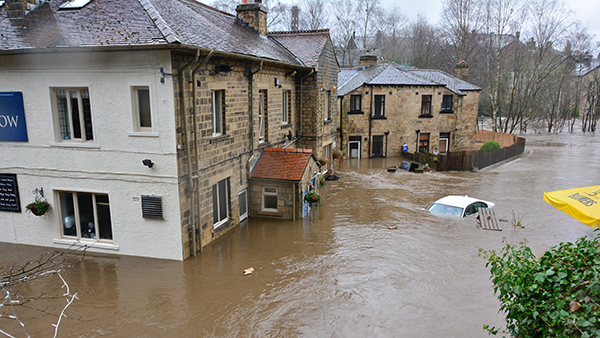
Flooding is the most common and costly natural disaster in the United States. Yet many homeowners remain uninsured, falsely believing their homeowners policy covers flood damage or that they're not at risk because they don't live near water. The truth is flooding can happen anywhere—from hurricanes and storm surges to heavy rain, snowmelt, and even construction projects that change drainage patterns.
- NFIP & Private Options
- NYS Licensed Agency
- All Flood Zones Covered
- $250K
- Max NFIP Building Coverage
Your Homeowners Insurance Does NOT Cover Flood Damage
This is one of the most common and costly misconceptions in insurance. Standard homeowners, renters, and business property policies specifically exclude flood damage. If your property floods without flood insurance, you're responsible for all repair and replacement costs out of pocket—often tens or hundreds of thousands of dollars.
What Is Flood Insurance?
Flood insurance is a separate policy that specifically covers damage caused by flooding—the temporary condition where water covers normally dry land. This includes overflow of inland or tidal waters, unusual and rapid accumulation of surface water runoff, and mudflow.
Because flood damage is excluded from standard property insurance policies, flood insurance must be purchased separately. The primary source is the National Flood Insurance Program (NFIP), administered by FEMA, though private flood insurance is also available and growing in popularity.
At Stan Steele Agency, we can help you understand your flood risk and explore coverage options through both the National Flood Insurance Program (NFIP) and private flood insurers to find protection that fits your needs.
What FEMA Defines as a "Flood"
For insurance purposes, a flood must affect at least two acres or two properties. Covered flood events include:
- River and stream overflow
- Storm surge and coastal flooding
- Flash floods from heavy rain
- Snowmelt flooding
- Mudflow and mudslides
- Broken levees or dams
Two Coverage Components
Building Coverage
Covers the structure itself: foundation, walls, floors, built-in appliances, electrical and plumbing systems, HVAC, water heaters, and permanently installed items like carpeting and cabinets.
NFIP Maximum: $250,000
Contents Coverage
Covers your personal belongings: furniture, clothing, electronics, appliances, and other movable items. Available for homeowners, renters, and business tenants.
NFIP Maximum: $100,000
What Flood Insurance Covers
Typically Covered (NFIP)
Building Coverage
- Foundation walls, anchoring systems
- Electrical and plumbing systems
- Central air conditioning, furnaces, water heaters
- Refrigerators, stoves, built-in appliances
- Permanently installed carpeting
- Built-in cabinets, paneling, bookcases
- Window blinds and shades
- Detached garages (up to 10% of building coverage)
Contents Coverage
- Clothing, furniture, electronics
- Curtains and portable appliances
- Portable air conditioners
- Carpets not permanently installed
- Washers, dryers, food freezers
- Valuable items up to $2,500 total
Common Exclusions (NFIP)
- Damage from moisture/mildew/mold
That could have been prevented by the property owner
- Currency, precious metals, stock certificates
Cash and valuable papers aren't covered
- Property outside the building
Landscaping, wells, septic systems, decks, patios
- Living expenses (NFIP)
Temporary housing costs not covered by NFIP
- Cars and other vehicles
Must be covered under auto insurance comprehensive
- Basement improvements
Limited coverage for finished basements
NFIP vs. Private Flood Insurance
You have two main options for flood insurance: the federal National Flood Insurance Program (NFIP) or private flood insurers. Each has advantages depending on your situation.
NFIP (Federal Program)
The National Flood Insurance Program is backed by the federal government and administered by FEMA.
Advantages
- Available in all participating communities
- Standardized coverage and claims process
- Cannot be cancelled due to claims
- Backed by federal government
- Grandfathering provisions available
Limitations
- Maximum $250K building / $100K contents
- 30-day waiting period (usually)
- No loss of use/additional living expenses
- Limited basement coverage
- Replacement cost only for building
Private Flood Insurance
Private insurers offer flood coverage that may provide different features and pricing than NFIP.
Advantages
- Higher coverage limits available
- May include loss of use coverage
- Potentially lower premiums for some properties
- Shorter waiting periods (some as low as 10 days)
- Replacement cost for contents available
Considerations
- Not available in all areas
- Coverage terms vary by insurer
- May not be accepted by all lenders
- Insurer financial strength varies
- Policy can be non-renewed
Excess Flood Insurance
If your property is worth more than NFIP limits ($250,000 building / $100,000 contents), you may want excess flood insurance. This coverage sits on top of your NFIP policy and provides additional limits—important for higher-value homes.
Shop Private Flood Insurance Online
Our carrier partner Neptune Flood offers a self-service tool where you can quote and bind a private flood policy directly. Prefer to talk through your options first? We can help you compare NFIP and private flood coverage.
The "Shop Private Flood Online" link opens Neptune Flood's site in a new tab, where you'll complete your quote and any purchase directly with Neptune Flood. Stan Steele Agency may receive compensation if a policy is issued through this link. Coverage, eligibility, and pricing are determined by the carrier and subject to the terms of the policy issued.
Don't Wait Until It's Too Late
There's a 30-day waiting period before most flood policies take effect. Get protected now.
Understanding Flood Zones
FEMA creates Flood Insurance Rate Maps (FIRMs) that designate flood zones across the country. Your flood zone determines whether flood insurance is required and affects your premium.
High-Risk Zones (Special Flood Hazard Areas)
Flood insurance required for federally-backed mortgages
High risk, no base flood elevations determined
High risk with base flood elevations determined
Coastal high-risk with wave action
Areas with shallow flooding or ponding
Moderate-to-Low Risk Zones
Flood insurance recommended but typically not required by lenders
Moderate flood risk, 0.2% annual chance
Low flood risk, outside 0.2% annual flood zone
Important: FEMA reports that more than 25% of NFIP flood claims come from properties outside high-risk flood areas. Flood insurance is often more affordable in these "low-risk" zones.
Check Your Flood Zone
You can look up your property's flood zone for free using FEMA's online tools:
Check Your Flood Zone on FEMA.govNote: Flood maps are periodically updated. Your zone may change over time.
How Much Does Flood Insurance Cost?
Flood insurance costs vary significantly based on your flood zone, property characteristics, coverage amount, and deductible choices. FEMA's Risk Rating 2.0 system now prices NFIP policies based on individual property risk factors.
Low-to-Moderate Risk Zones (X, B, C)
Preferred Risk Policies (PRP) in lower-risk areas are generally the most affordable flood coverage available.
High-Risk Zones (A, AE, V, VE)
Costs vary widely based on elevation, construction type, flood history, and coverage amounts. Contact us for a quote specific to your property.
Factors That Affect Your Premium
Flood Zone
High-risk zones cost more than low-risk zones
Elevation
Higher elevation relative to base flood = lower premium
Building Type
Construction, foundation type, number of floors matter
Coverage Amount
Higher limits = higher premiums
Deductible
Higher deductible = lower premium
Distance to Water
Risk Rating 2.0 considers proximity to flood sources
The Critical 30-Day Waiting Period
You cannot buy flood insurance after a flood is imminent or forecasted. NFIP policies have a standard 30-day waiting period before coverage takes effect.
This means if you wait until a hurricane is approaching or heavy rains are forecast, it's too late. The time to buy flood insurance is now—before you need it.
Exceptions to the Waiting Period
- Initial home purchase: No waiting period when flood insurance is purchased at closing for a new mortgage
- Map revision: 1-day waiting period if your property was remapped into a higher-risk zone
- Private flood insurance: Some private insurers offer waiting periods as short as 10-14 days
Filing a Flood Insurance Claim
If you experience flood damage, act quickly to protect your property and file your claim:
Ensure Safety First
Wait until authorities say it's safe to return. Watch for electrical hazards, contaminated water, and structural damage.
Document Everything
Take extensive photos and videos of all damage before cleaning up. Record water lines on walls, damaged items, and structural damage.
Contact Your Insurance Agent
Report the claim as soon as possible. For NFIP claims, you have 60 days to file a Proof of Loss. We can help guide you through the process.
Mitigate Further Damage
Protect your property from additional damage by removing water and beginning to dry out the structure. Keep receipts for any expenses.
Meet with the Adjuster
An adjuster will be assigned to assess the damage. Have your documentation ready and be present during the inspection if possible.
Frequently Asked Questions
Does homeowners insurance cover flood damage?
No, standard homeowners insurance policies do NOT cover flood damage. Flood insurance must be purchased separately, either through the National Flood Insurance Program (NFIP) or a private flood insurance provider. This is true regardless of your flood zone.
Do I need flood insurance if I'm not in a flood zone?
While not required by mortgage lenders for low-risk zones, flood insurance is still worth considering. FEMA reports that more than 25% of NFIP flood claims come from properties outside high-risk flood areas. Floods can occur anywhere, and the coverage is often more affordable in low-risk areas.
How much does flood insurance cost in New York?
Flood insurance costs vary based on your flood zone, building characteristics, elevation, and coverage amount. Policies in low-risk zones generally cost less than those in high-risk zones, and private flood insurance may offer competitive alternatives. Contact our office at 585-657-6101 or schedule a consultation for a quote specific to your property.
What is the NFIP waiting period for flood insurance?
NFIP flood insurance policies have a standard 30-day waiting period before coverage takes effect. Exceptions include: new policies purchased at loan closing (no waiting period), and policies purchased due to a map change (1-day waiting period). You cannot buy flood insurance after a flood is imminent.
What's the difference between NFIP and private flood insurance?
NFIP is the federal flood insurance program with standardized coverage and rates. Maximum limits are $250,000 for building and $100,000 for contents. Private flood insurance may offer higher limits, additional coverages (like loss of use), shorter waiting periods, and potentially lower rates for some properties.
What does flood insurance cover?
Flood insurance covers direct physical damage from flooding, including: the building structure, foundation, electrical/plumbing systems, HVAC, appliances, carpeting, window treatments, and personal belongings. It does not cover damage from moisture, mildew, or mold that could have been prevented, or temporary housing costs (unless you have private flood insurance with that coverage).
Is flood insurance required in New York?
Flood insurance is required by federal law if you have a federally-backed mortgage and your property is in a high-risk flood zone (Special Flood Hazard Area or SFHA). Even if not required, flood insurance is strongly recommended for all properties, as floods can happen anywhere.
Can renters get flood insurance?
Yes, renters can purchase contents-only flood insurance to protect their personal belongings. NFIP offers up to $100,000 in contents coverage for renters. This is separate from (and not covered by) renters insurance.
Related Insurance Coverage
Homeowners Insurance
Your foundation policy for dwelling, belongings, and liability protection.
Water Backup Coverage
Covers sewer/drain backup damage—different from flood damage.
Earthquake Insurance
Another peril excluded from homeowners that requires separate coverage.
Renters Insurance
Protect your belongings as a renter—and consider adding flood coverage as well.
Why Work With Stan Steele Agency?
- Access to both NFIP and private flood options
- Free flood zone determination assistance
- Help comparing coverage and pricing options
- Claims assistance when you need it
- Serving New York property owners since 1969
Important Information
This information is provided for general educational purposes only and does not constitute insurance advice or policy recommendations. Coverage features described are examples and may not be available in all policies or from all carriers. Actual coverage is subject to the terms, conditions, and exclusions of the policy as issued. Please consult with a licensed insurance professional to discuss your specific coverage needs and options. Stan Steele Agency is licensed in New York State (NYS Insurance License Nos. PC-665308, BR-665308, LA-665308).
Protect Your Property from Flood Damage
Don't wait until a storm is approaching—the 30-day waiting period means you need to act now. Get a free flood insurance quote and protect what matters most.