Nonprofit & Community Organization Coverage
New York Nonprofit Insurance
As a nonprofit, your organization advances a mission while balancing stewardship of donor dollars, the safety of the people you serve, and the obligations that come with employing staff and engaging volunteers. Events, programs, community engagement, fundraising, and the decisions made by your board can all give rise to claims that standard assumptions about “being a charity” do not make go away. Without proper coverage, a single incident could put your organization's assets — and the personal assets of your leaders — at risk.
- NYS Licensed Agency
- Certificates of Insurance Available
- Multiple Carrier Options
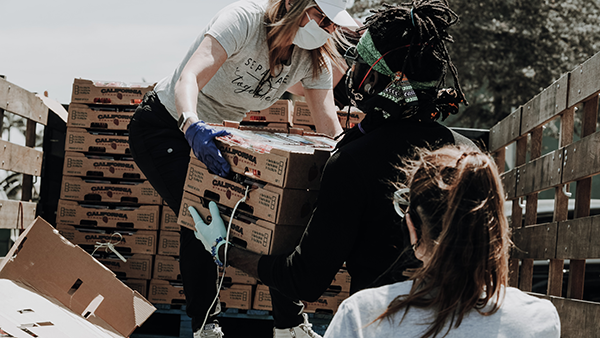
- D&O Liability
- Helps protect board members and leaders against management claims
- Volunteers & Events
- Coverage considerations for volunteer activities and fundraisers
- Since 1969
- Serving New York organizations and their communities
Why Insurance Matters for Nonprofit Organizations
Nonprofit organizations play a crucial role in addressing social, environmental, and community-based challenges, often relying on limited resources and a strong sense of purpose. That same work — serving the public, hosting events, managing donations, and relying on staff, volunteers, and a board of directors — creates real exposures. A single lawsuit or claim can drain financial resources and threaten the mission. Proper insurance is an important part of operating a nonprofit responsibly in New York.
The Stan Steele Agency can help you explore insurance options designed for nonprofit organizations — whether you run a small volunteer-driven group, a social service agency, a youth program, an arts organization, or a community foundation. We work with carriers experienced with nonprofit risks to present coverage options that may fit your specific programs and operations.
What Is Nonprofit Insurance?
Nonprofit insurance refers to a package of commercial insurance coverages tailored to the risks faced by charities and community organizations. Rather than a single policy, a nonprofit program typically combines several coverage types to address different exposures — from a visitor injured at an event, to a claim against the board, to a data breach involving donor information.
The specific coverages you may need depend on factors like the programs you run, the populations you serve, whether you have paid employees and volunteers, the property you own or lease, and the events you host. Funders, landlords, and government partners often require proof of specific coverages and additional insured status before awarding grants, leases, or contracts.
Core Coverage Components for Nonprofits:
Liability & Management Coverages:
- •General liability (premises & operations)
- •Directors & officers (D&O) / management
- •Employment practices liability (EPLI)
- •Abuse & molestation liability
Property & Other Coverages:
- •Property & business personal property
- •Workers' compensation
- •Crime / fidelity & cyber liability
- •Volunteer accident & special events
Essential Coverage Types for Nonprofits
General Liability Insurance
A fundamental coverage for nonprofits. General liability is generally designed to respond to claims of bodily injury, property damage, and personal injury arising from your operations — including events, volunteer activities, and community engagement. For nonprofits this commonly includes a visitor injured at a facility or event, or damage to a venue your organization is using.
Standard limits are typically $1,000,000 per occurrence / $2,000,000 aggregate, though landlords, venues, and grant agreements may require higher limits.
Directors & Officers (D&O) / Management Liability
The decisions made by board members and leaders of a nonprofit can be subject to legal scrutiny. D&O liability is generally designed to respond in case allegations of mismanagement, financial impropriety, or breach of duty arise. This coverage not only helps safeguard the personal assets of individuals in leadership positions but may also help attract qualified directors and officers, who can feel more confident in their decision-making roles knowing this protection is in place.
Many nonprofit D&O policies are written on a management liability form that can include or be paired with employment practices coverage.
Abuse & Molestation Liability
Nonprofits that serve children, the elderly, people with disabilities, or other vulnerable populations commonly evaluate abuse and molestation coverage. This coverage is generally intended to respond to claims alleging abuse or molestation connected to an organization's activities — exposures that are frequently excluded or sublimited under a standard general liability policy. How and whether it applies depends on the policy language as issued.
Social Service / Professional Liability
Organizations that provide counseling, social, or human services face exposures arising from the professional services they deliver. Social service or professional liability is generally designed to respond to claims alleging that those services caused harm — a category of claim that general liability commonly excludes.
Employment Practices Liability (EPLI)
Nonprofits employ staff and are subject to the same employment laws as other employers. EPLI is generally designed to respond to claims by employees or applicants alleging wrongful termination, discrimination, harassment, or related employment practices, subject to policy terms. It is often written alongside or as part of a management liability program.
Property & Business Personal Property
Whether you own a building or lease space, property coverage may respond to damage to your facility, furniture, equipment, supplies, and program materials from covered causes of loss such as fire or certain weather events. Business personal property coverage addresses the contents your organization relies on to carry out its mission.
Workers' Compensation
Mandatory in New York for virtually all employers. Workers' compensation may cover medical expenses and a portion of lost wages for employees injured on the job. The treatment of volunteers, stipended workers, and board members can vary, so it is worth reviewing your organization's specific situation.
Volunteer Accident & Special Events Coverage
Volunteer accident coverage may help with medical expenses if a volunteer is injured while serving your organization. Special events coverage addresses the added exposures of galas, walks, festivals, and auctions — events that venues frequently require be insured, often with an additional insured endorsement.
Hired & Non-Owned Auto
When volunteers or staff drive their own vehicles for the organization — delivering meals, transporting clients, or running errands — hired and non-owned auto coverage is generally designed to respond to liability arising from that use, which an organization's other policies may not address.
Crime / Fidelity & Cyber Liability
Nonprofits hold donations, grants, and funds that can be a target for theft or employee dishonesty; crime / fidelity coverage is generally designed to respond to such losses. Because organizations also store donor and client data, cyber liability may respond to costs arising from a data breach or related cyber event, subject to policy terms.
What Is Typically Covered vs. Common Exclusions
Typically Covered
- Bodily injury to visitors and the publicA guest injured at your facility or event, via general liability
- Claims against the board and leadershipAlleged mismanagement or breach of duty, via D&O liability
- Employment-related claimsWrongful termination, discrimination, or harassment, via EPLI
- Employee work injuriesMedical costs and lost wages via workers' compensation
- Damage to organization propertyBuilding, contents, and equipment from covered causes of loss
- Legal defense costsAttorney fees and court costs for covered claims
Common Exclusions
- Abuse or molestation (without endorsement)Frequently excluded or sublimited unless specific coverage is added
- Professional services errorsCounseling or social service claims may require professional liability
- Employee injuries (without workers' comp)General liability does not cover employee injuries — workers' comp is required
- Theft of funds (without crime coverage)Employee dishonesty and fund theft may require crime / fidelity coverage
- Cyber and data breach lossesDonor and client data exposures may require cyber liability
- Intentional or fraudulent actsDeliberate wrongdoing is generally excluded from coverage
Covered causes and exclusions vary by carrier and policy. Always refer to the policy as issued for the controlling terms.
Need a Certificate of Insurance for a Grant, Lease, or Event?
We can help you explore coverage options and provide certificates and additional insured endorsements as needed.
Common Claim Scenarios for Nonprofits
Understanding how claims typically arise can help you appreciate the importance of proper coverage:
Visitor Injured at an Event
A guest slips and falls during a fundraising gala and requires medical treatment. General liability may respond to the resulting bodily injury claim, subject to policy terms.
Claim Against a Board Member
A donor alleges that the board mismanaged restricted funds and names individual directors in a suit. D&O liability may respond to defense costs and covered amounts, helping protect personal assets.
Former Employee Files a Claim
A terminated staff member alleges wrongful termination and discrimination. Employment practices liability (EPLI) may respond to the defense and any covered settlement, subject to policy terms.
Misappropriated Donations
An employee with access to the organization's accounts diverts donated funds over several months. Crime / fidelity coverage may respond to the loss of those funds, subject to the policy.
Risks Specific to Nonprofit Organizations
Nonprofits face a distinct set of exposures. Understanding these can help you evaluate your coverage needs:
Governance & Fiduciary Decisions
Board members and officers make decisions about finances, programs, and personnel that can be second-guessed by donors, members, regulators, or employees. These management exposures are addressed through D&O / management liability rather than general liability.
Serving Vulnerable Populations
Organizations that work with children, the elderly, or people with disabilities carry heightened duty-of-care and abuse-related exposures. Background checks, supervision policies, and abuse and molestation coverage are common risk management considerations.
Reliance on Volunteers
Volunteers expand a nonprofit's reach but also its exposure. They can be injured while serving, can injure others, and sometimes drive their own vehicles for the organization — each of which connects to a different coverage consideration.
Events & Fundraising
Galas, walks, festivals, and auctions bring large groups together and often take place at outside venues. Crowds, food and beverage, and venue contracts can elevate liability exposures compared with day-to-day operations.
Stewardship of Funds & Data
Donations, grants, and donor and client records are central to a nonprofit's operations and are also targets for theft and cyber events. Financial controls, data security practices, and crime and cyber coverage all play a role in managing these exposures.
What Affects Nonprofit Insurance Costs?
Several factors influence your insurance costs. Understanding these can help you manage them effectively:
Programs & Populations Served
The nature of your mission matters. Organizations that provide direct services to vulnerable populations generally carry different exposures than, for example, an arts or advocacy group — which factors into how the risk is evaluated.
Budget, Revenue & Payroll
General liability is typically rated on factors such as revenue or operating budget, while workers' compensation is rated on payroll. Larger operations generally carry higher costs that reflect greater exposure.
Claims History
Your loss history significantly affects your costs. A clean claims record and documented policies and procedures are among the most effective ways to manage nonprofit insurance over time.
Risk Management & Governance Practices
Written policies, background checks, supervision procedures, financial controls, and documented board governance are factors underwriters commonly weigh when evaluating a nonprofit risk.
Practices That May Help Manage Costs:
- Maintain a clean claims history through sound risk management
- Adopt written policies for programs, volunteers, and personnel
- Conduct background checks for staff and volunteers in sensitive roles
- Implement financial controls to protect funds and donations
- Require certificates of insurance from vendors and partners
- Bundle coverages with one carrier for potential efficiencies
Frequently Asked Questions About Nonprofit Insurance
What insurance do nonprofit organizations need in New York?
Nonprofits in New York typically carry general liability insurance, directors and officers (D&O) / management liability, property and business personal property coverage, and workers’ compensation once they have employees. Depending on the mission, many organizations also consider abuse and molestation liability, social service or professional liability, employment practices liability (EPLI), volunteer accident coverage, special events coverage, hired and non-owned auto, crime / fidelity, and cyber liability. The specific coverages that may fit depend on the programs you run, the populations you serve, and whether you have paid staff and volunteers.
Why do nonprofit board members need D&O insurance?
The decisions made by board members and leaders of a nonprofit can be subject to legal scrutiny. Directors and officers (D&O) liability insurance is generally designed to respond to claims alleging mismanagement, financial impropriety, or breach of duty. This coverage not only helps protect the personal assets of individuals in leadership positions but may also help an organization attract qualified directors and officers, who can feel more confident serving when this protection is in place. Coverage is subject to the terms, conditions, and exclusions of the policy as issued.
Does our nonprofit need coverage if we rely mostly on volunteers?
Volunteers can create the same kinds of exposures as paid staff. General liability may respond to bodily injury and property damage arising from volunteer activities, and volunteer accident coverage may help with medical expenses if a volunteer is injured while serving. If volunteers drive their personal vehicles for the organization, hired and non-owned auto coverage may respond to liability arising from that use. The right approach depends on how your volunteers are involved in your programs.
What is abuse and molestation coverage, and does our organization need it?
Abuse and molestation liability coverage is generally intended to respond to claims alleging abuse or molestation connected to an organization’s activities. Nonprofits that serve children, the elderly, people with disabilities, or other vulnerable populations commonly evaluate this coverage, since these claims are frequently excluded or sublimited under a standard general liability policy. Whether and how this coverage applies depends on the policy language and your organization’s programs.
Is workers’ compensation required for a nonprofit in New York?
Workers’ compensation is mandatory in New York for virtually all employers, and nonprofits are generally treated like other employers once they have employees. Coverage may pay for medical treatment and a portion of lost wages for employees injured on the job. The treatment of volunteers, stipended workers, and board members can vary, so it is worth reviewing your specific situation with a licensed insurance professional.
Do we need special events coverage for a fundraiser or gala?
Galas, walks, festivals, auctions, and similar fundraisers can introduce exposures beyond day-to-day operations, and the venues that host them frequently require proof of insurance and an additional insured endorsement. Depending on the event, coverage may be addressed through your general liability policy or through a separate special events policy. We can help you explore options that may fit the events your organization holds.
Related Coverage for Nonprofit Organizations
Churches
Coverage options for churches and faith-based organizations and their programs.
General Liability
Bodily injury and property damage coverage options for your operations and events.
Workers' Compensation
Mandatory for NY employers. Covers work-related injuries and illnesses for staff.
Business Insurance
Property and liability coverage options for organizations of all sizes.
How We Can Help:
- Certificates of insurance for grants and leases
- Additional insured endorsements
- Multiple carrier options
- Coverage for new and established organizations
- Options for D&O, abuse & molestation, EPLI, and special events
Important Information
This information is provided for general educational purposes only and does not constitute insurance advice or policy recommendations. Coverage features described are examples and may not be available in all policies or from all carriers. Actual coverage is subject to the terms, conditions, and exclusions of the policy as issued. Please consult with a licensed insurance professional to discuss your specific coverage needs and options. Stan Steele Agency is licensed in New York State (NYS Insurance License Nos. PC-665308, BR-665308, LA-665308).
Protect Your Nonprofit Organization
From day-to-day programs to board governance, volunteers, and fundraising events, the Stan Steele Agency can help you explore insurance options that may fit your organization. Monday–Friday 8:00AM–5PM • Serving NY organizations since 1969.