Business Liability
Premises Liability Insurance: Protect Your Business From Injury Claims
Coverage designed to help protect against slip-and-fall lawsuits, customer injuries, and property-related claims that could devastate your business.
- Legal Defense Coverage
- Medical Payment Coverage
- Settlement Protection
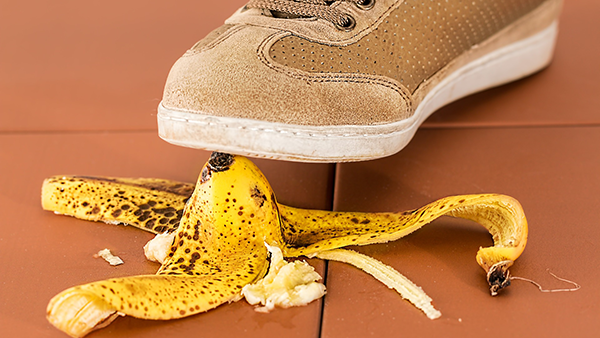
- Costly Settlements
- Slip-and-fall settlements can reach tens of thousands of dollars
- Common Claims
- Premises liability claims make up a significant share of lawsuits
- Expensive Defense
- Legal defense costs can be substantial, even for meritless claims
New York's Strict Liability Standards
New York follows a comparative negligence standard, meaning property owners can be held liable even if the injured party shares some fault. If a customer slips on a wet floor in your store, you could face significant liability even if warnings were partially in place. Proper premises liability coverage is essential for any New York business.
What Is Premises Liability Insurance?
Premises liability insurance protects property owners and businesses against claims arising from injuries or accidents that occur on their property. Whether you own a retail store, restaurant, office building, or rental property, you have a legal duty to maintain safe conditions for visitors, customers, and even trespassers in some cases.
This coverage is typically included as part of a Commercial General Liability (CGL) policy, but it's important to understand what's covered and review whether your limits fit your exposure. A single slip-and-fall lawsuit can easily exceed $50,000 in settlements, plus tens of thousands more in legal defense costs—even if the claim is ultimately found to be without merit.
Premises liability insurance covers not only slip-and-fall accidents but also a wide range of incidents: dog bites, falling merchandise, inadequate security, defective conditions, and more. It's essential protection for any business or property owner who has people entering their premises.
Property Owner's Duty of Care
Under New York law, property owners must:
- •Maintain safe conditions
- •Warn of known hazards
- •Conduct regular inspections
- •Fix dangerous conditions promptly
- •Provide adequate lighting and security
What Premises Liability Insurance Covers
Typically Covered
- Slip-and-Fall Injuries: Wet floors, icy walkways, uneven surfaces
- Falling Objects: Merchandise, fixtures, or equipment that injures visitors
- Dog Bites: Injuries from animals on your property
- Defective Conditions: Broken stairs, faulty railings, hazardous structures
- Legal Defense Costs: Attorney fees, investigations, court costs
- Medical Payments: Immediate medical expense coverage (no-fault)
Common Exclusions
- Employee Injuries: Covered by workers' compensation, not premises liability
- Intentional Acts: Injuries you deliberately cause
- Professional Errors: Requires separate professional liability coverage
- Vehicle Accidents: Covered under commercial auto insurance
- Pollution Incidents: Usually requires separate environmental coverage
- Contractual Liability: May require specific endorsements
Covered causes and exclusions vary by carrier and policy. Always refer to the policy as issued for the controlling terms.
Common Premises Liability Claims
Understanding the most common claims helps you take preventive measures and evaluate your coverage options:
Slip-and-Fall Accidents
The most common premises liability claim. Wet floors, icy parking lots, and spilled liquids are frequent causes.
Trip Hazards
Loose carpeting, uneven flooring, cluttered aisles, and broken sidewalks create trip-and-fall risks.
Falling Objects
Merchandise falling from shelves, unsecured displays, and overhead items can cause serious injuries.
Animal Attacks
Dog bites and other animal-related injuries, especially relevant for pet stores, vets, and properties allowing pets.
Inadequate Lighting
Poor lighting in parking lots, stairwells, and walkways that contributes to accidents or security incidents.
Negligent Security
Claims arising from assaults or crimes due to inadequate security measures on the property.
Don't Wait for a Lawsuit to Get Protected
Every day your business operates without adequate coverage is a risk. Get a free premises liability quote today.
Who Needs Premises Liability Insurance?
Any business or property owner who has people entering their premises needs this coverage. Here are industries with particularly high exposure:
Retail & Hospitality
- •Retail stores: High foot traffic, merchandise displays
- •Restaurants: Spills, busy floors, kitchen hazards
- •Hotels: 24/7 operations, pools, fitness centers
- •Shopping centers: Large public spaces, parking lots
Property Owners
- •Landlords: Residential and commercial property owners
- •Apartment complexes: Common areas, parking, pools
- •Office buildings: Elevators, lobbies, restrooms
- •Industrial facilities: Warehouses, factories
Service Businesses
- •Medical offices: Waiting rooms, exam areas
- •Salons/spas: Wet floors, chemicals, equipment
- •Gyms/fitness: Equipment, wet areas, heavy use
- •Auto repair: Oil spills, heavy equipment
Entertainment & Recreation
- •Bars/nightclubs: Alcohol, crowds, late hours
- •Event venues: Large gatherings, temporary setups
- •Amusement parks: Rides, attractions, crowds
- •Sports facilities: Fields, courts, equipment
How Much Coverage Do You Need?
Coverage needs vary based on your business type, property size, and risk exposure. Here are general guidelines:
| Business Type | Minimum Recommended | Higher Risk | Key Factors |
|---|---|---|---|
| Small Retail/Office | $1M per occurrence | $2M per occurrence | Foot traffic, business type |
| Restaurant | $1M-$2M per occurrence | $3M+ per occurrence | Alcohol service, seating capacity |
| Commercial Property | $1M-$2M per occurrence | $5M+ per occurrence | Tenant mix, building size |
| Entertainment Venue | $2M+ per occurrence | $5M-$10M per occurrence | Event size, alcohol, activities |
Consider an Umbrella Policy
For additional protection beyond your primary policy limits, consider a commercial umbrella policy. These provide excess liability coverage that kicks in when your underlying policy limits are exhausted—essential protection for catastrophic claims that exceed your base coverage.
Reducing Your Premises Liability Risk
Insurance is essential, but prevention is equally important. These best practices can reduce your risk and potentially lower your premiums:
Regular Inspections
- Conduct daily walkthroughs of public areas
- Document all inspections in writing
- Create checklists for common hazards
- Schedule regular professional inspections
Prompt Hazard Response
- Clean spills immediately
- Use warning signs while cleaning
- Repair broken fixtures promptly
- Clear snow and ice in winter (NY requirement)
Documentation
- Maintain security camera footage
- Keep maintenance records and receipts
- Document employee training
- Create incident reports for any accidents
Safety Infrastructure
- Ensure adequate lighting throughout
- Install proper handrails and grab bars
- Use non-slip flooring in wet areas
- Post clear warning signs where needed
What to Do When an Incident Occurs
How you respond to an incident can significantly impact the outcome of any potential claim. Follow these steps:
Ensure Safety and Provide Aid
Make sure the injured person is safe and receives appropriate medical attention. Call emergency services if needed. Never admit fault or make statements about liability.
Document Everything
Take photographs of the scene, collect witness contact information, and create a detailed incident report while details are fresh. Note weather conditions, time, and any contributing factors.
Preserve Evidence
Secure any video footage from security cameras. Don't alter the scene until it's been documented. Keep any physical evidence (the item that caused the fall, for example).
Notify Your Insurance Company
Contact us at 585-657-6101 to report the incident promptly. Early reporting allows your insurer to investigate while evidence is available and memories are fresh.
Cooperate With the Investigation
Work with your insurance company's claims team. Provide all requested documentation. Do not discuss the claim with anyone except your insurer and attorney.
Frequently Asked Questions About Premises Liability
What is premises liability insurance?
Premises liability insurance protects property owners and businesses against claims arising from injuries or accidents that occur on their property. This includes slip-and-fall accidents, dog bites, inadequate security claims, and other injuries caused by unsafe conditions.
Is premises liability included in general liability insurance?
Yes, premises liability is typically included as part of a Commercial General Liability (CGL) policy. The "premises-operations" coverage in a CGL policy covers injuries that occur on your property. However, coverage limits and specific inclusions can vary, so it's important to review your policy to understand whether your limits fit your needs.
What does premises liability insurance cover?
Premises liability covers medical expenses for injured parties, legal defense costs (even for frivolous claims), settlement payments, slip-and-fall injuries, dog bite incidents, injuries from falling objects, inadequate security claims, and more. It protects your business from financial loss when someone is injured on your property.
How much premises liability coverage do I need?
Coverage needs vary by business type, property size, and foot traffic. Most businesses carry at least $1 million per occurrence, with $2 million aggregate. High-risk businesses or those with significant public exposure (restaurants, retail, entertainment venues) may need $2-5 million or more. An umbrella policy can provide additional protection.
What are common premises liability claims?
The most common claims include slip-and-fall accidents (wet floors, icy walkways, uneven surfaces), trip hazards (loose carpeting, broken steps), falling merchandise or fixtures, dog bites, inadequate lighting contributing to accidents, and security-related incidents where inadequate measures led to assault or theft.
Does premises liability cover independent contractors injured on my property?
Premises liability may cover injuries to contractors in some situations, but workers' compensation typically applies to their own employees. Independent contractors should carry their own liability insurance. Always require proof of insurance from contractors before they work on your property, and consult with your insurance agent to understand your specific coverage.
Am I liable if someone is hurt after ignoring warning signs?
Warning signs can help reduce your liability, but they don't eliminate it entirely. Under New York's comparative negligence law, liability can be shared. If a jury determines you were 30% at fault and the injured party was 70% at fault, you could still be responsible for 30% of damages. Proper signage is important but doesn't replace maintaining safe conditions.
Related Business Coverage Options
General Liability
Broad business liability including premises, products, and operations.
Commercial Umbrella
Excess liability protection beyond your primary policy limits.
Commercial Property
Protection for your buildings, equipment, and business property.
Workers' Compensation
Coverage for employee injuries (required for most NY businesses).
Why Choose Stan Steele Agency?
- Free business liability risk assessment
- Multiple carrier options for competitive rates
- Help understanding coverage limits
- Fast, responsive claims support
- Local agents who understand NY liability laws
Important Information
This information is provided for educational purposes only and does not constitute insurance or legal advice. Premises liability coverage, features, exclusions, and availability may vary by insurance carrier and policy. Coverage limits, deductibles, and premiums will depend on your specific business and property characteristics.
All coverage is subject to policy terms, conditions, and exclusions. Please review your policy carefully and consult with a licensed insurance professional to determine appropriate coverage for your specific situation.
The Stan Steele Agency is licensed to conduct business in New York State. License information available upon request or at the New York Department of Financial Services website.
Protect Your Business Today
Don't let a slip-and-fall lawsuit threaten your business. Explore premises liability coverage options and focus on what you do best—running your business. Serving New York businesses since 1969 — Rochester, NY.