Essential Homeowner Protection
Water Backup Insurance Coverage
Protect your New York home from one of the most common and costly water damage scenarios—sewer backups, drain overflows, and sump pump failures that standard homeowners policies exclude.
- NYS Licensed Agency
- Serving NY Since 1969
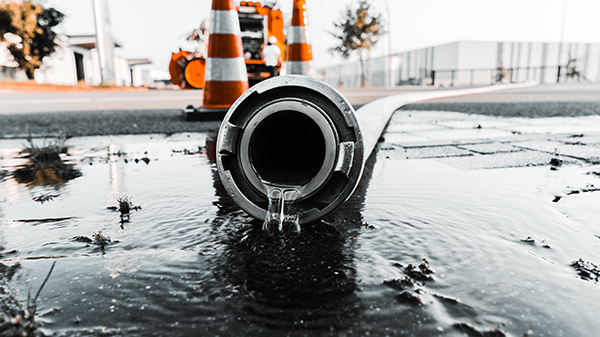
- Costly
- Water backup claims often run into the thousands
- Often Missed
- Commonly overlooked coverage gap
Critical Coverage Gap Warning
Your standard homeowners insurance policy does NOT cover water backup damage. Sewage backups, sump pump failures, and drain overflows are specifically excluded. Without this endorsement, you'll pay thousands out of pocket when your basement floods from a backed-up sewer line.
What Is Water Backup Insurance?
Water backup insurance is an endorsement (also called a rider) that you add to your homeowners policy to cover damage caused when water backs up into your home through sewers, drains, or from sump pump failures. It fills a critical gap in your standard policy's coverage.
Unlike flood insurance (which covers water entering from outside), water backup coverage protects against water that enters from internal plumbing systems—when sewage backs up through floor drains, toilets overflow from sewer line blockages, or your sump pump fails during a storm.
This coverage is essential for New York homeowners because our region experiences heavy rainfall, aging municipal sewer systems, and frequent power outages that can disable sump pumps—all leading causes of water backup incidents.
Quick Facts
- Not included in standard homeowners policies
- Added as an endorsement to your homeowners policy
- Coverage typically $5,000-$50,000+
- Covers sewers, drains, sump pumps
- Different from flood insurance
What's Covered vs. What's Not
Typically Covered
- Sewer line backup into your home
- Floor drain overflow from blockages
- Sump pump mechanical failure
- Power outage disabling sump pump
- Toilet overflow from sewer backup
- Damage to flooring, walls, personal property
- Cleanup and sanitation costs
- Mold remediation (may have sublimit)
- Damaged appliances and equipment
Typically Not Covered
- Flood damage (rising water from outside)
- Surface water entering through windows/doors
- Groundwater seepage through foundation
- Damage from repeated seepage over time
- Neglected maintenance causing backup
- Water main breaks by utility company
- Storm surge or tidal water
- Cost to repair sewer line itself
- Pre-existing damage or wear
Covered causes and exclusions vary by carrier and policy. Always refer to the policy as issued for the controlling terms.
Check Your Current Coverage
Not sure if you have water backup coverage? We can review your current policy with you and help you explore protection level options for your home—free of charge.
Common Causes of Water Backup Damage
Understanding what causes water backup helps you appreciate why this coverage is essential and how you can reduce your risk:
Heavy Rainfall
Municipal sewer systems become overwhelmed during heavy storms, causing sewage to back up through the lowest drains in your home.
Power Outages
When the power goes out during a storm, your sump pump stops working just when you need it most, leading to basement flooding.
Sump Pump Failure
Mechanical failures, float switch problems, or worn-out pumps can leave your basement unprotected when water starts rising.
Tree Root Intrusion
Tree roots seek water sources and can infiltrate sewer lines, causing blockages that lead to backups into your home.
Aging Infrastructure
Older municipal sewer systems and home plumbing deteriorate over time, increasing the risk of blockages and collapses.
Combined Sewers
Many older NY cities use combined storm/sanitary sewers that overflow more easily during heavy rain, affecting nearby homes.
Choosing a Coverage Amount
Water backup coverage is available at various limits. Here's how to think about which amount may fit your situation:
| Coverage Level | Best For |
|---|---|
| $5,000 | Unfinished basements with minimal stored items |
| $10,000 | Basic finished basement, moderate belongings |
| $25,000 | Fully finished basement, home office, valuable items |
| $50,000+ | High-end basement living space, extensive improvements |
Coverage costs vary by carrier, location, coverage limit, and risk factors. Contact us for a personalized quote.
Factors to Consider When Choosing Coverage
Basement Contents Value
- Furniture and furnishings
- Electronics and entertainment systems
- Stored seasonal items and clothing
- Tools and equipment
- Appliances (washer, dryer, water heater)
Basement Improvements
- Flooring (carpet, tile, hardwood)
- Finished walls and ceilings
- Bathroom additions
- Built-in cabinets and storage
- Home theater or gym equipment
Cleanup Considerations
- Professional water extraction
- Sanitization (sewage contains bacteria)
- Mold remediation costs
- Drying and dehumidification
- Debris removal and disposal
Risk Factors
- Age of your home's plumbing
- Municipal sewer system age
- Trees near sewer lines
- History of area flooding
- Sump pump reliability/age
Water Backup Prevention Tips
While insurance protects you financially, preventing water backup in the first place saves you time, stress, and potential premium increases:
1Install a Backwater Valve
A backwater valve prevents sewage from flowing back into your home. It's one of the most effective prevention devices and may qualify you for insurance discounts.
2Add Battery Backup to Sump Pump
A battery backup system keeps your sump pump running during power outages—exactly when you need it most during storms.
3Maintain Your Sewer Line
Have your sewer line inspected and cleaned every 1-2 years, especially if you have large trees near the line. Address tree root intrusion early.
4Test Your Sump Pump Regularly
Test your sump pump every few months by pouring water into the pit. Replace pumps every 7-10 years or sooner if showing signs of wear.
5Install Water Leak Sensors
Smart water sensors alert you immediately when water is detected, giving you time to respond before significant damage occurs.
6Avoid Drain Clogs
Never flush wipes (even "flushable" ones), feminine products, or grease down drains. These cause blockages that lead to backups.
What to Do When Water Backup Occurs
Quick action can minimize damage and help your claim go more smoothly:
Ensure Safety First
Avoid standing water if there's any chance of electrical contact. Turn off electricity to affected areas if it's safe to do so. Sewage water contains harmful bacteria—wear protective gear if you must enter the area.
Stop the Source if Possible
If your sump pump failed, try to manually remove some water. If the backup is from the sewer, don't use any drains or flush toilets until the blockage is cleared.
Document Everything
Take photos and videos of the water level, damaged items, and the source of backup before cleanup begins. This documentation is essential for your insurance claim.
Contact Your Insurance Agent
Report the incident to your insurance agent immediately. We can guide you through the claims reporting process and help you document your expenses.
Begin Professional Cleanup
For sewage backups, professional cleanup is strongly recommended. Keep all receipts—water extraction, sanitization, and mold remediation are typically covered expenses.
Water Backup vs. Flood Insurance: Key Differences
| Feature | Water Backup Coverage | Flood Insurance |
|---|---|---|
| Water Source | Inside (sewers, drains, sump pumps) | Outside (rivers, storm surge, surface water) |
| Policy Type | Endorsement to homeowners policy | Separate policy (NFIP or private) |
| Coverage Limits | $5,000-$50,000+ | Up to $250,000 structure |
| Required By | Not typically required | Mortgage lenders in flood zones |
| Waiting Period | None (effective immediately) | 30 days for NFIP policies |
Important Note
Water backup and flood insurance protect against different types of water damage. Depending on your location and risk factors, you may want to consider both coverages. Contact us to discuss your specific needs.
Frequently Asked Questions
Does standard homeowners insurance cover water backup damage?
No, standard homeowners insurance policies typically exclude water backup damage from sewers, drains, and sump pump failures. You need to purchase a separate endorsement or rider to add this coverage to your policy. This is one of the most common coverage gaps that catches homeowners by surprise.
How much does water backup insurance cost?
The cost of water backup insurance varies based on several factors, including your chosen coverage limit, location, home age, claims history, and insurance carrier. It is added as an endorsement to your homeowners policy with coverage limits typically ranging from $5,000 to $50,000 or more. Contact your agent for a personalized quote based on your specific situation.
What causes water backup damage?
Water backup can result from multiple causes: municipal sewer system overflows during heavy rain, tree roots blocking drain lines, aging sewer pipes collapsing, sump pump mechanical failure, power outages disabling sump pumps, frozen or clogged drain lines, and combined sewer system overflows. All these scenarios are excluded from standard homeowners policies.
What's the difference between water backup and flood insurance?
Water backup coverage protects against water that enters your home from inside sources—backed-up sewers, drains, or failed sump pumps. Flood insurance covers water that enters from outside sources—rising rivers, storm surge, or surface water accumulation. You may need both coverages depending on your location and risk factors.
How much water backup coverage do I need?
Many homeowners choose between $10,000 and $25,000 in water backup coverage. Consider the value of items in your basement (furnishings, appliances, stored items), cost of basement finishing or flooring, potential for mold remediation needs, and whether you have living space or home office in the basement.
Does water backup insurance cover sump pump failure?
Yes, most water backup endorsements cover damage caused by sump pump failure, including mechanical breakdown and power outages. Some policies also cover the cost to repair or replace the failed sump pump itself. Check your specific policy for coverage details.
Are there discounts for water backup prevention measures?
Some insurers offer discounts for installing backwater valves, battery backup sump pumps, or water leak detection systems. These prevention devices not only reduce your risk but may lower your premium. Ask your agent about available discounts.
Does water backup coverage include mold remediation?
Coverage for mold resulting from water backup varies by policy. Many water backup endorsements include limited mold coverage as part of the claim, but amounts may be capped. Some policies require separate mold coverage. Review your policy carefully and discuss options with your agent.
Related Coverage Options
Flood Insurance
Coverage for rising water from outside sources like rivers, storms, and storm surge.
Homeowners Insurance
Your base policy that water backup coverage is added to. Review your current protection.
Personal Umbrella
Extra liability protection beyond your homeowners policy limits.
Earthquake Insurance
Another excluded peril that requires separate coverage for protection.
Important Information
This information is provided for general educational purposes only and does not constitute insurance advice or policy recommendations. Coverage features described are examples and may not be available in all policies or from all carriers. Actual coverage is subject to the terms, conditions, and exclusions of the policy as issued. Please consult with a licensed insurance professional to discuss your specific coverage needs and options. Stan Steele Agency is licensed in New York State (NYS Insurance License Nos. PC-665308, BR-665308, LA-665308).
Don't Wait Until It's Too Late
Water backup damage happens fast and without warning. One heavy rainstorm, one power outage, one sump pump failure can mean thousands in uninsured damage. Add this affordable protection today.