Retail Programs
New York Convenience Store & Gas Station Insurance
Rural crossroads stores keep the Finger Lakes moving — fuel, coffee, lottery, bait in the summer, and the only stop for miles on some lake roads. A convenience store stacks several businesses into one building: fuel handling, retail, food service, and cash management, often around the clock. Each layer carries its own insurance considerations, and the fuel system carries the biggest one.
- NYS Licensed Agency
- Serving Finger Lakes Crossroads Since 1969
- Multiple Carrier Options
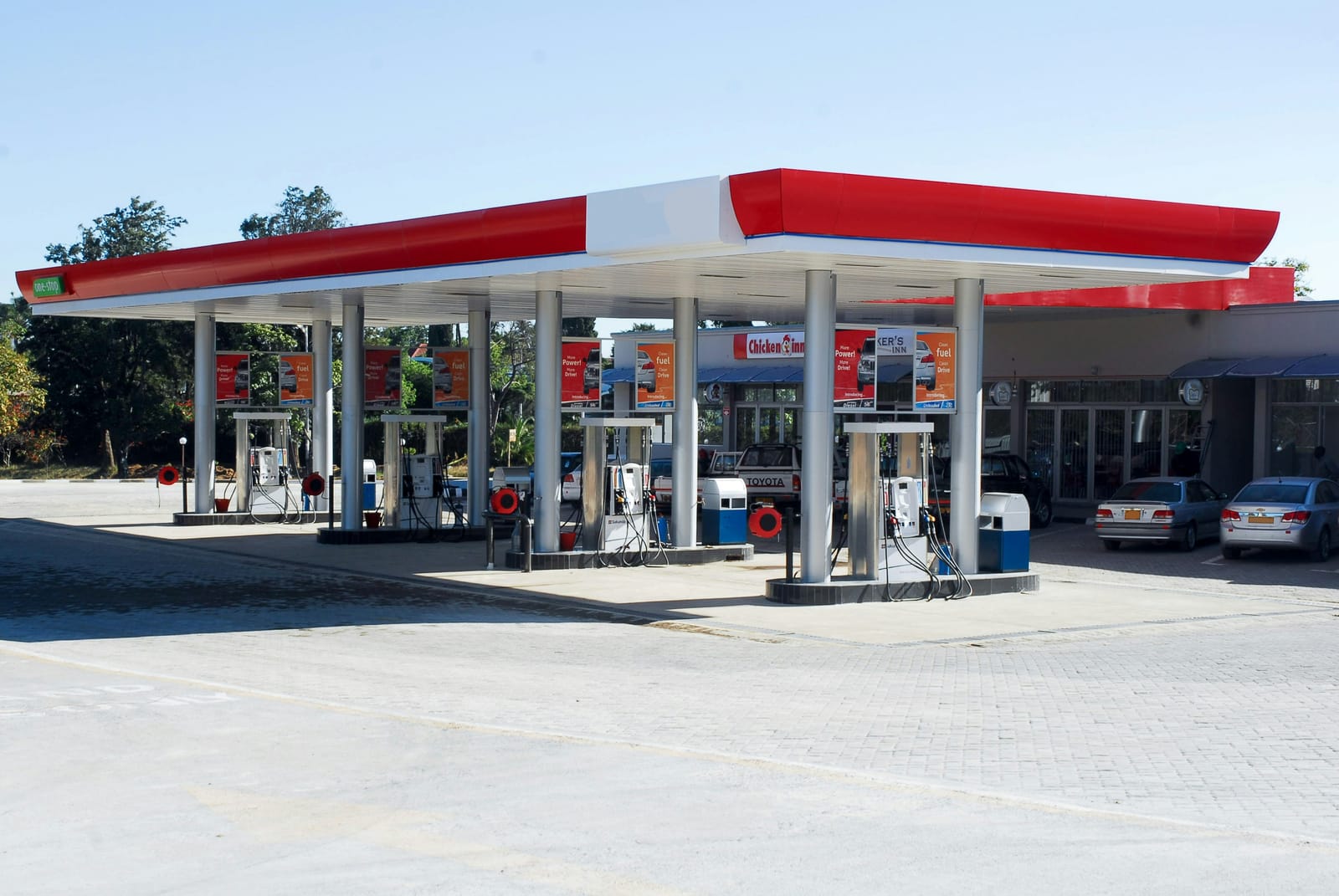
- Fuel & Tanks
- Storage systems are the exposure that defines a gas-and-go risk
- Open Long Hours
- Cash, lottery, and late hours bring crime exposure to plan for
- Since 1969
- Serving Ontario County retailers from Bloomfield, NY
Tank Releases Are Typically Excluded from Standard Policies
A leak from a fuel storage system can mean third-party claims and cleanup obligations — and pollution is commonly excluded from standard general liability and property forms. New York regulates petroleum bulk storage systems, including registration requirements, and separate storage tank liability coverage exists for exactly this exposure. If you own tanks and have never had a tank-coverage conversation, that is the first gap to close.
The Stan Steele Agency can help you explore coverage options for convenience stores with or without fuel — independent crossroads stores, village markets, and gas-and-go operations. We work with carriers experienced with fuel retail risks and can help you compare how each approaches tanks, food service, and hours.
Coverage Types C-Stores Commonly Consider
Property & Canopy
The building, fuel canopy, pumps, signage, coolers, and inventory. Canopies are a notable windstorm exposure worth valuing realistically.
General Liability
Customer slip-and-falls, fuel-island incidents, and injuries on the lot — busy entrances and winter ice make this a steady exposure.
Storage Tank Liability
Third-party claims and cleanup from tank releases — the coverage standard forms exclude. Related reading: environmental liability.
Crime Coverage
Money and securities, robbery, and employee dishonesty options for a cash-and-lottery business.
Liquor Liability
For stores licensed to sell beer and cider. Learn about liquor liability.
Workers’ Compensation
Required in New York once you have employees, across shifts and part-timers. Learn more.
What Is Typically Covered vs. Common Exclusions
Typically Covered (Subject to Policy Terms)
- Customer injuries in the store or on the lotSlips, falls, and fuel-island incidents via general liability
- Windstorm damage to the canopy and buildingProperty coverage for structures, signs, and equipment
- Robbery and theft of moneyVia crime coverage options, subject to limits and conditions
- Spoiled refrigerated stock after breakdownWhen spoilage and equipment breakdown options are included
- Lost income after a covered lossBusiness income coverage while the store is closed for repairs
Common Exclusions
- Pollution from fuel systemsTank releases need separate storage tank liability coverage
- Liquor claims without liquor liabilityBeer and cider sales create exposure general liability typically excludes
- Inventory shortage from shopliftingMysterious disappearance and shrinkage are generally not insurable losses
- Wear, tear, and rusted-out equipmentAging tanks, pumps, and coolers are maintenance items, not claims
- Employee injuries without workers' compStaff injuries belong to workers' compensation coverage
Covered causes and exclusions vary by carrier and policy. Always refer to the policy as issued for the controlling terms.
Buying a Store or Upgrading Tanks?
Ownership changes and tank work are the natural moments to review the whole program — property, liability, tanks, and crime in one conversation.
Common Claim Scenarios for Convenience Stores
Understanding how c-store claims tend to arise can help you evaluate the coverages that matter:
Slip on an Icy Fuel Island
A customer fueling up slips on ice near the pumps and is injured. General liability may respond, subject to policy terms — and a logged salting and inspection routine through a Finger Lakes winter helps the defense.
Windstorm Peels Back the Canopy
A storm damages the fuel canopy and signage. Property coverage may address the structures — if the canopy was valued and scheduled realistically when the policy was written.
Inventory Reconciliation Flags a Tank Issue
Inventory records suggest fuel is going somewhere it should not. Investigation, testing, cleanup obligations, and third-party claims may follow — the scenario storage tank liability coverage is designed around.
Overnight Robbery
The store is robbed during a late shift. Crime coverage may address the money taken, subject to limits — and workers’ compensation responds if an employee is hurt.
What Affects Convenience Store Insurance Costs?
Several factors influence how carriers evaluate a c-store or fuel site:
Tank Age, Construction, and Records
Double-walled monitored systems with current registration and testing records open more markets than aging steel tanks with thin paperwork.
Fuel Volume vs. Inside Sales
The split between fuel and store sales, plus food service, shapes classification and rating.
Hours, Staffing, and Cash Controls
Twenty-four-hour operation, single-staffed overnights, and cash-handling practices factor into the crime and liability picture.
Building, Lot, and Protection
Building age and updates, lot lighting, cameras, and distance from fire protection all carry weight with underwriters.
Practices That May Help Manage Costs:
- Keep tank registration, testing, and inventory records current
- Reconcile fuel inventory on a documented routine
- Maintain a logged ice and spill response routine for the lot
- Use drop safes, cash limits, and camera coverage at registers
- Document ID-check training where beer and tobacco are sold
- Tell your agent before adding food service or extending hours
Frequently Asked Questions About C-Store Insurance
What insurance does a convenience store with gas pumps typically carry?
A typical program combines property coverage for the building, canopy, pumps, and inventory; general liability for customer injuries; and workers’ compensation for employees. Stores with fuel operations also consider tank and pollution coverage for the storage systems, equipment breakdown for coolers and dispensers, crime coverage for cash and lottery exposure, business income coverage, and liquor liability where beer and cider are sold. The mix depends on fuel volume, food service, hours, and whether you own or lease the site.
Does general liability cover a fuel leak from my tanks?
Generally no. Standard general liability policies commonly exclude pollution, and a release from an underground or aboveground storage tank is exactly the kind of claim that exclusion reaches. Tank owners in New York also face regulatory obligations for petroleum bulk storage systems, including registration with the state. Storage tank liability coverage is designed for third-party claims and cleanup obligations arising from tank releases — a separate conversation from the package policy, and an important one for any fuel retailer.
How do my tanks affect insurability?
Tank age, construction, and monitoring are central underwriting questions for fuel sites. Newer double-walled systems with leak detection are viewed very differently than older single-walled steel tanks, and documentation — registration, inspection records, inventory reconciliation, and tightness testing — matters. If your tanks are older, expect more questions and fewer markets; replacement or upgrades can meaningfully change both insurability and cost.
Do I need liquor liability to sell beer at a convenience store?
New York allows licensed grocery and convenience stores to sell beer and certain cider products, and selling alcohol creates a liquor exposure that general liability typically excludes for businesses selling alcohol. Liquor liability coverage is designed for claims arising from those sales — including allegations involving sales to underage or intoxicated customers. Documented ID-checking practices and register prompts are both good business and good underwriting.
What about robbery, theft, and lottery exposure?
Convenience stores handle cash, lottery tickets, tobacco, and long hours — a combination that attracts both shoplifting and robbery. Crime coverage options can address money and securities inside and outside the premises, employee dishonesty, and robbery losses, subject to limits and conditions. Cameras, safes with drop slots, cash-handling limits, and lighting are the practices carriers commonly ask about.
Is food service at my store an insurance issue?
Adding prepared food — roller grills, pizza programs, coffee, or a deli counter — adds a products exposure and new equipment, and it can change how the store is classified. Hood systems and fryers bring the same fire-protection questions restaurants face. None of this is a reason not to add food service; it is simply an operation worth disclosing so the policy is rated for the store you actually run.
Related Coverage for Retail Operations
How We Can Help:
- Review tank exposures and storage tank liability options
- Present markets experienced with fuel retail risks
- Size crime coverage around your cash and lottery volume
- Coordinate liquor liability with your beer license
- Review canopy and equipment values before storm season
Important Information
This information is provided for general educational purposes only and does not constitute insurance advice or policy recommendations. Coverage features described are examples and may not be available in all policies or from all carriers. Actual coverage is subject to the terms, conditions, and exclusions of the policy as issued. Please consult with a licensed insurance professional to discuss your specific coverage needs and options. Stan Steele Agency is licensed in New York State (NYS Insurance License Nos. PC-665308, BR-665308, LA-665308).
Talk Through Coverage for Your Store
From village markets to gas-and-go crossroads stores, the Stan Steele Agency can help you explore options that may fit your operation. Monday-Friday 8:00AM-5PM • Serving Finger Lakes retailers since 1969.