Seasonal Farm Programs
New York Maple Syrup & Christmas Tree Farm Insurance
Two of the most beloved seasonal farm businesses in the Finger Lakes share a common trait: for a few intense weeks each year, the public comes to you. Sugarhouses fill with visitors during boiling season, and tree farms hand saws to families every weekend after Thanksgiving. The rest of the year, you maintain equipment, woods, and fields. Insurance for these operations has to fit both rhythms.
- NYS Licensed Agency
- Serving Finger Lakes Farms Since 1969
- Multiple Carrier Options
- Sugarhouse Season
- High-heat boiling in wood-frame buildings is a real fire exposure
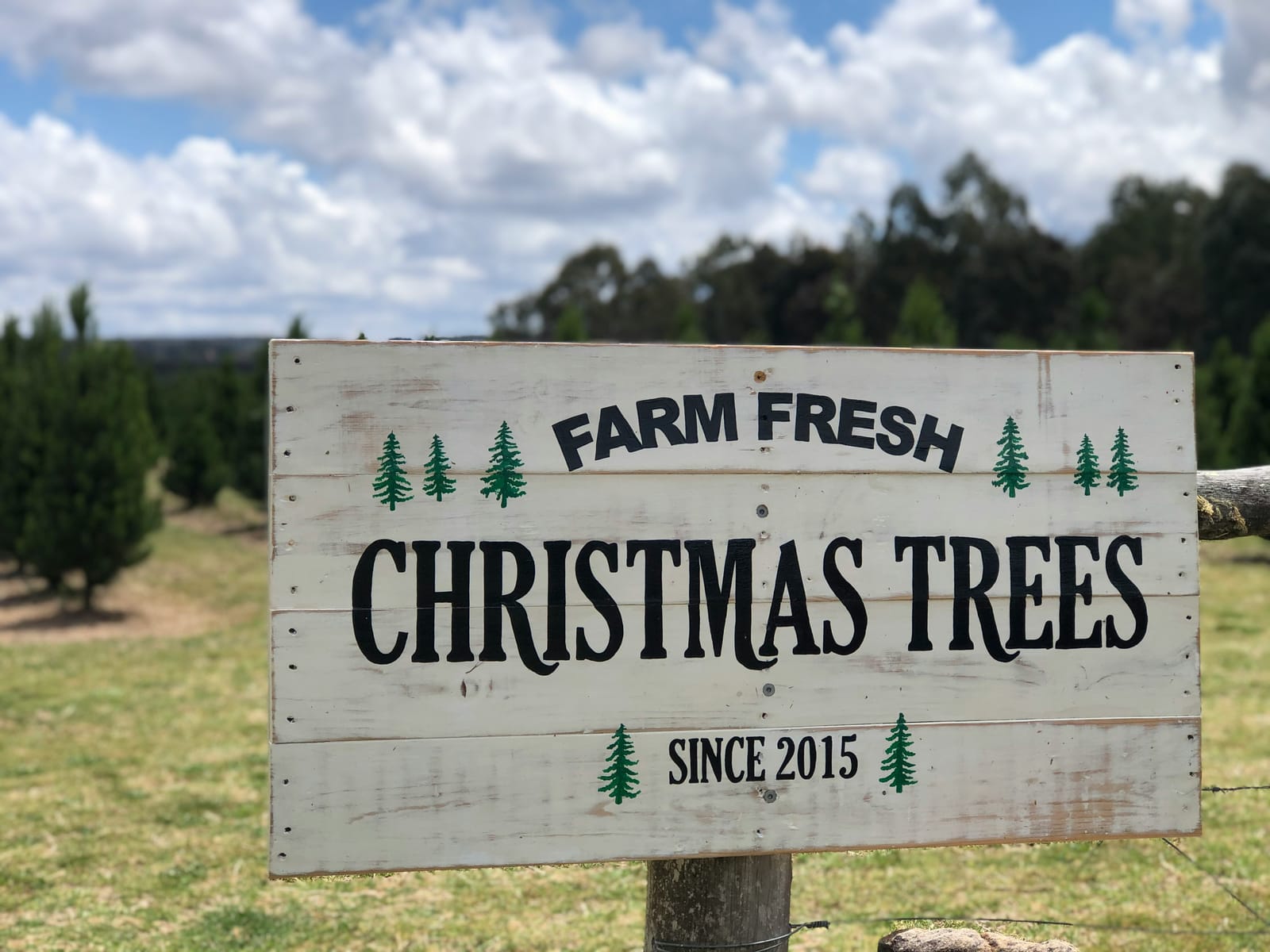
- Choose & Cut
- Families, saws, and winter footing call for liability planning
- Since 1969
- Serving Ontario County farm families from Bloomfield, NY
Open Houses Are Part of the Business
Maple Weekend tours, tastings, and choose-and-cut visits turn a working farm into a public venue. New York's agritourism legislation addresses certain inherent risks of farm visits when proper signage and practices are in place, but it works alongside — not instead of — liability coverage written with those activities disclosed. Our farm insurance page covers agritourism in more depth.
The Stan Steele Agency can help you explore coverage options for maple and tree operations of any size — from a few hundred taps and a backyard evaporator to commercial sugarbushes and multi-field choose-and-cut farms. We work with carriers experienced with New York farm risks and seasonal retail operations.
Coverage Types These Farms Commonly Consider
Sugarhouse & Farm Structures
The sugarhouse, equipment sheds, retail stands, and barns. Construction, chimney condition, and heat source matter to underwriters.
Evaporators & Equipment
Evaporators, reverse osmosis machines, tanks, vacuum pumps, tubing in the woods, balers, shakers, and wagons — scheduled so values are clear.
Farm & Premises Liability
Visitor injuries during open houses, tours, and choose-and-cut weekends, plus the everyday liability of operating a farm.
Product Liability
Claims alleging illness or injury from syrup, candy, wreaths, or concessions you sell — at the farm, at markets, or wholesale.
Workers’ Compensation
Generally required for New York farm employees, including short-season sugaring and holiday help. Learn more.
Business Income Options
When the season is only a few weeks long, a fire at the wrong moment can cost the whole year — income coverage options are worth discussing.
What Is Typically Covered vs. Common Exclusions
Typically Covered (Subject to Policy Terms)
- Fire damage to the sugarhouseThe building and scheduled evaporator equipment under farm property coverage
- Visitor injuries during farm eventsA guest hurt during an open house or choose-and-cut visit, via farm liability with activities disclosed
- Product claims from syrup or confectionsAlleged illness from products you sold, when products coverage is in place
- Theft of equipment and toolsSaws, balers, pumps, and scheduled equipment — including some in-the-woods items
- Employee injuriesMedical costs and a portion of lost wages via workers' compensation
Common Exclusions
- The trees themselvesStanding maples and growing Christmas trees are generally not insurable under farm property forms
- Ice storm and weather losses to the sugarbushWeather damage to timber and plantings is typically outside the policy
- Flood and surface waterTypically excluded; separate flood coverage may be available
- Wear, tear, and breakdownGradual deterioration; mechanical breakdown of equipment may need separate coverage
- Employee injuries without workers' compLiability coverage does not take the place of required workers' compensation
Covered causes and exclusions vary by carrier and policy. Always refer to the policy as issued for the controlling terms.
Getting Ready for Sugaring Season or the Holiday Rush?
A pre-season review of buildings, equipment values, and visitor activities can help your coverage match what the next few weeks will actually look like.
Common Claim Scenarios
Understanding how claims tend to arise on seasonal farms can help you evaluate which coverages matter:
Chimney Fire During a Long Boil
Late in a multi-day boil, a flue fire spreads to the sugarhouse roof, damaging the building and evaporator. Farm property coverage may address the structure and scheduled equipment, and income options may help with the lost season.
Visitor Burned Near the Evaporator
During an open house, a guest steps too close to hot equipment and is burned. Farm liability written with public events disclosed may respond to the claim, subject to policy terms.
Customer Cut While Felling Their Tree
A customer using a farm-provided hand saw slips on snowy ground and is injured. Premises liability for the choose-and-cut operation may respond — and documented saw-handling practices help the defense.
Wagon Ride Injury
A rider falls from a hay wagon during a field ride to the trees. Liability coverage may respond subject to policy terms; wagon rides are an activity carriers want disclosed in advance.
What Affects Insurance Costs for Seasonal Farms?
Several factors influence how carriers evaluate maple and tree operations:
Scale of Public Activities
A wholesale-only producer is rated differently than a farm hosting tours, tastings, wagon rides, and weekend crowds. Each added activity changes the picture.
Sugarhouse Construction and Heat Source
Wood-fired versus oil or gas evaporators, chimney condition, and building construction all factor into the fire exposure.
Products and Sales Channels
Bottling for retail shelves and wholesale accounts carries more products exposure than on-farm sales alone, and buyers often require certificates.
Seasonal Payroll
Workers’ compensation is rated on payroll and classification. Short, intense seasons make accurate reporting worthwhile.
Practices That May Help Manage Costs:
- Clean and inspect chimneys and flues before every season
- Rope off hot equipment and post signage during open houses
- Supervise saw handout and offer cutting help to customers
- Maintain walking paths and parking areas in winter conditions
- Keep equipment schedules current as you add taps or fields
- Tell your agent about events, rides, and concessions in advance
Frequently Asked Questions About Maple & Tree Farm Insurance
Does a farm policy cover my sugarhouse and evaporator?
A farmowners policy can typically be structured to include the sugarhouse as a farm structure and the evaporator, reverse osmosis machine, tanks, and tubing as scheduled farm equipment. Because boiling sap means running high heat for long hours in a wood-frame building, sugarhouses carry a real fire exposure — construction, chimney condition, and fuel type are details carriers commonly ask about. Reviewing the values on the building and equipment together helps avoid being underinsured after a loss.
Do I need product liability to sell maple syrup at farmers markets or stores?
Selling a food product creates a products exposure: a claim could allege illness or injury from syrup, candy, or confections you produced. Farm liability policies may include some products coverage, but producers who bottle for retail shelves or sell wholesale often need broader product liability limits, and many markets and retailers require a certificate of insurance before you can sell. A licensed insurance professional can help you review how your sales channels affect the coverage that may fit.
What liability issues come with a choose-and-cut Christmas tree operation?
Choose-and-cut puts families, hand saws, uneven ground, and winter weather together on your property — plus baling, shaking, and loading activities near customers. Farm or business liability written with the retail operation disclosed is typically the foundation, supported by practical steps like maintained walking paths, supervised saw handout, and help with loading. Wagon rides, concessions, and visits with Santa add further activities worth disclosing to your carrier.
Are my maple trees and growing Christmas trees insured?
Standing trees are generally difficult to insure. Farm property policies typically provide little or no coverage for timber and growing stock, and losses from ice storms, drought, insects, or disease are usually not covered. Some limited options exist for specific perils, and federal programs occasionally address tree losses for qualifying producers, but most growers manage this risk through diversification rather than insurance. Coverage conversations usually focus on the buildings, equipment, products, and visitors instead.
Do seasonal helpers at a tree farm or sugarhouse need workers’ compensation?
New York’s workers’ compensation requirements are broad and generally reach farm employees, including short-season help hired for sugaring weeks or the Christmas rush. Family members, volunteers, and barter arrangements raise classification questions worth reviewing rather than assuming. Saw work, wagon operations, and hot evaporator equipment make this a real exposure even for a short season.
What happens when I open the farm to visitors for Maple Weekend?
Open-house events bring the public into a working sugarhouse — hot equipment, steam, tastings, and parking along rural roads. New York has enacted agritourism legislation that addresses certain inherent risks of farm visits when signage and practices meet its requirements, but hosting events is still an activity your liability coverage should reflect. Telling your agent about open houses, tours, and tastings before the season helps keep coverage matched to what you actually do.
Related Coverage for Seasonal Farm Operations
Farm Insurance
Farmowners package policies for New York farms, including agritourism operations.
Orchards & Fruit Growers
Coverage options for orchards, U-pick operations, and farm stands.
Equipment Breakdown
Options for mechanical and electrical breakdown of farm and processing equipment.
Workers' Compensation
Generally required for NY farm employees, including seasonal help.
How We Can Help:
- Review sugarhouse, equipment, and retail exposures together
- Present options from carriers experienced with NY farm risks
- Certificates of insurance for markets and wholesale accounts
- Coverage conversations before open houses and events
- Annual reviews as taps, fields, and activities grow
Important Information
This information is provided for general educational purposes only and does not constitute insurance advice or policy recommendations. Coverage features described are examples and may not be available in all policies or from all carriers. Actual coverage is subject to the terms, conditions, and exclusions of the policy as issued. Please consult with a licensed insurance professional to discuss your specific coverage needs and options. Stan Steele Agency is licensed in New York State (NYS Insurance License Nos. PC-665308, BR-665308, LA-665308).
Talk Through Coverage for Your Seasonal Farm
From the first boil to the last tree out of the field, the Stan Steele Agency can help you explore options that may fit your operation. Monday-Friday 8:00AM-5PM • Serving Finger Lakes farms since 1969.