Tree Care Contractor Coverage
New York Arborist & Tree Service Insurance
As an arborist or tree care contractor, your crews climb, cut, rig, and chip in some of the most demanding conditions of any trade. Falling limbs, dropped tops, equipment failures, and elevation hazards can result in costly property damage claims and serious injuries. Without proper coverage, a single incident could put your business and personal assets at risk.
- NYS Licensed Agency
- Certificates of Insurance Available
- Multiple Carrier Options
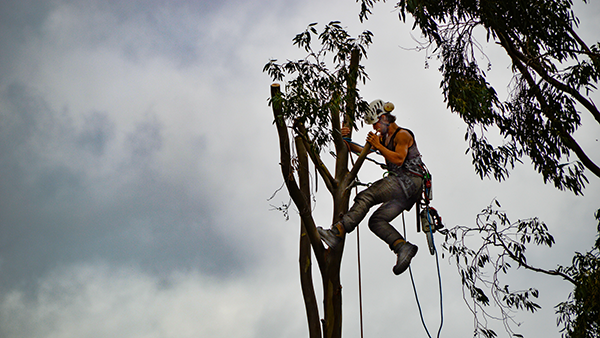
- Work at Height
- Climbing, aerial lifts, and felling create elevation exposures
- Completed Ops
- Coverage for claims that arise after the work is finished
- Since 1969
- Serving New York contractors and tradespeople
Why Insurance Matters for Tree Care Contractors
Few trades operate with as little margin for error as tree care. Crews work at height with chainsaws and rigging directly above houses, vehicles, and power lines, and a single misjudged cut can cause serious injury or major property damage. The U.S. Occupational Safety and Health Administration recognizes tree care as hazardous work and publishes dedicated guidance for the industry (OSHA Tree Care). Proper insurance is an essential part of operating a tree service in New York.
The Stan Steele Agency can help you explore insurance options designed for tree care operations — whether you focus on pruning and trimming, removals, stump grinding, emergency storm work, or plant health care. We work with carriers experienced with tree service risks to present coverage options that may fit your specific operations.
What Is Arborist & Tree Service Insurance?
Arborist insurance refers to a package of commercial insurance coverages tailored to the risks faced by tree care companies. Rather than a single policy, a complete tree service program typically combines several coverage types to address different exposures — from a limb that damages a roof to an employee injured during a climb.
The specific coverages you may need depend on factors like the services you provide, whether you have employees, the equipment you operate, and whether you work residential, commercial, or municipal accounts. Most general contractors, property managers, and municipalities will require proof of specific coverages before awarding work.
Core Coverage Components for Tree Services:
Liability Coverages:
- •General liability (premises & operations)
- •Products & completed operations
- •Commercial umbrella / excess liability
Property & Other Coverages:
- •Workers' compensation
- •Commercial auto (bucket & chip trucks)
- •Inland marine (tools & equipment)
Essential Coverage Types for Arborists
General Liability Insurance
The foundation of a tree service insurance program. General liability covers claims of bodily injury or property damage arising from your operations. For arborists this commonly includes a limb or tree that damages a customer's roof, vehicle, or fence, or a passerby injured near an active worksite.
Standard limits are typically $1,000,000 per occurrence / $2,000,000 aggregate, though commercial and municipal contracts may require higher limits.
Products & Completed Operations
This coverage responds to claims that arise after a job is finished and turned over to the customer. If a tree you pruned or cabled later fails and damages property, or a removal you completed leaves a hazard that causes injury, completed operations coverage may respond to the resulting claim.
Coverage typically pays for resulting damage rather than the cost of redoing your own work.
Workers' Compensation
Mandatory in New York for virtually all businesses with employees. Workers' comp may cover medical expenses and a portion of lost wages for employees injured on the job. Tree work carries serious exposures — falls from height, chainsaw lacerations, struck-by injuries from limbs, and chipper hazards.
Tree workers are classified under high-hazard workers' comp codes that reflect the physical demands of the trade. Learn more about NY Workers' Comp
Commercial Auto Insurance
Tree services rely on specialized vehicles — bucket trucks, chip trucks, dump trucks, and trailers hauling chippers and stump grinders. Commercial auto covers liability for accidents as well as physical damage to these vehicles. Personal auto policies typically exclude vehicles used for business purposes.
Inland Marine / Tools & Equipment
Chainsaws, climbing gear, rigging, chippers, stump grinders, and aerial lift attachments represent a significant investment. Inland marine insurance covers this equipment against theft, damage, and loss — whether stored at your yard, in transit, or on the jobsite — in situations a standard property policy may not address.
Commercial Umbrella / Excess Liability
Provides additional liability limits above your general liability, auto, and employers liability policies. Given the severity of potential tree care claims — from a tree striking an occupied home to a serious fall — and the impact of New York's Labor Law on elevation-related injuries, many tree services carry $1 million or more in umbrella coverage. Some contracts require minimum umbrella limits.
Herbicide / Pollution & Professional Liability (When Applicable)
Operations that apply herbicides, pesticides, or plant health care treatments may face pollution-related exposures that standard liability policies commonly exclude, and may consider a pollution endorsement or separate coverage. Certified arborists who provide formal tree risk assessments or written recommendations may also consider professional liability for claims arising from that advice.
What Is Typically Covered vs. Common Exclusions
Typically Covered
- Property damage from falling limbs or treesDamage to a customer's roof, vehicle, or fence struck during operations
- Bodily injury to third partiesInjuries to bystanders or clients arising from your operations
- Claims after the job is completedResulting damage from a tree or limb that later fails, via completed operations
- Employee work injuriesMedical costs and lost wages via workers' compensation
- Equipment theft or damageChainsaws, chippers, and rigging via inland marine coverage
- Legal defense costsAttorney fees and court costs for covered claims
Common Exclusions
- Cost to redo your own workRe-performing a removal or pruning job that was done improperly
- Damage to the tree or item worked onThe specific property in your care, custody, or control may be excluded
- Pollution from chemical applicationHerbicide and pesticide exposures may require separate coverage
- Employee injuries (without workers' comp)General liability does not cover employee injuries — workers' comp is required
- Professional advice errorsClaims from formal tree risk assessments may require professional liability
- Intentional or unpermitted actsRemoving a tree without authorization or in violation of local ordinances
Covered causes and exclusions vary by carrier and policy. Always refer to the policy as issued for the controlling terms.
Need a Certificate of Insurance for Your Next Job?
We can help you explore coverage options and provide certificates and additional insured endorsements as needed.
Common Claim Scenarios for Tree Services
Understanding how claims typically arise can help you appreciate the importance of proper coverage:
Limb Drops onto a Roof
During a removal, a large limb swings unexpectedly and damages the homeowner's roof and gutters. General liability (premises and operations) may respond to the resulting property damage claim, subject to policy terms.
Tree Fails After Pruning
Months after a crew prunes a large tree, a major branch fails and damages a neighbor's vehicle. Because the work was already completed, completed operations coverage may respond to the claim.
Climber Injury
A climber is injured during a removal and requires medical treatment and time off work. Workers' compensation may cover the medical expenses and a portion of lost wages during recovery.
Chipper Stolen from a Jobsite
A crew leaves a chipper and saws at a jobsite overnight and the equipment is stolen, representing a significant replacement cost. Inland marine / equipment coverage may respond to the loss.
Risks Specific to Tree Care Contractors
Tree care contractors face a distinct set of exposures. Understanding these can help you evaluate your coverage needs:
Working at Height & New York's Scaffold Law
Climbing lines, ladders, and aerial lifts put crews well above the ground. New York Labor Law Sections 240 and 241 impose strict liability for certain gravity-related injuries, which can affect the cost and availability of liability and excess coverage for tree services operating in the state.
Chainsaws, Chippers & Equipment Hazards
Chainsaws, wood chippers, and stump grinders are among the most dangerous equipment in any trade. OSHA publishes specific guidance for the tree care industry (osha.gov/tree-care). Documented training and consistent use of personal protective equipment are important risk management practices.
Overhead Power Lines
Working near energized lines introduces the risk of electrical contact and electrocution. Line clearance work carries specialized requirements, and proximity to utilities can affect both safety planning and how a risk is underwritten.
Property Damage to Surrounding Structures
Removals and large-limb work happen close to homes, vehicles, landscaping, and neighboring property. Misjudged drops or rigging failures can cause significant damage, which is a leading source of liability claims in the trade.
Storm & Emergency Work
Emergency response after storms involves compromised trees, unstable conditions, fatigue, and unfamiliar sites — all of which can elevate both safety and liability exposures compared with routine scheduled work.
What Affects Tree Service Insurance Costs?
Several factors influence your insurance costs. Understanding these can help you manage them effectively:
Services Provided
Removals, large takedowns, and line clearance generally carry higher exposures than pruning or plant health care. Crane-assisted work and the height of typical jobs also factor into how a tree service is classified.
Revenue and Payroll
General liability is typically rated on annual revenue, while workers' compensation is rated on payroll. Larger operations generally carry higher costs that reflect greater exposure.
Claims History
Your loss history significantly affects your costs. A clean claims record and documented safety practices are among the most effective ways to manage tree service insurance over time.
Safety Practices & Training
Documented safety programs, qualified crew training, equipment inspection routines, and adherence to industry standards are factors underwriters commonly weigh when evaluating a tree care risk.
Practices That May Help Manage Costs:
- Maintain a clean claims history through safe work practices
- Implement and document crew safety training and PPE use
- Inspect rigging, saws, and aerial equipment regularly
- Follow recognized industry standards for tree work
- Require certificates of insurance from any subcontractors
- Bundle coverages with one carrier for potential efficiencies
Frequently Asked Questions About Arborist Insurance
What insurance do tree care companies and arborists need in New York?
Tree care businesses in New York typically carry general liability insurance (including products and completed operations), workers’ compensation (mandatory once you have employees), commercial auto for bucket and chip trucks, inland marine coverage for chainsaws, chippers, and stump grinders, and an umbrella policy. Operations that apply herbicides or provide consulting tree assessments may also consider pollution and professional liability coverage. The specific coverages that may fit depend on the services you provide and whether you work residential, commercial, or municipal accounts.
Why is general liability so important for tree services?
Tree work routinely happens directly above homes, vehicles, fences, power lines, and people. A dropped limb or a felled tree that lands the wrong way can cause significant property damage or bodily injury. General liability is generally designed to respond to third-party property damage and bodily injury claims arising from your operations, subject to the policy terms, conditions, and exclusions.
Does general liability cover damage to the property where I am working?
General liability may cover damage to a customer’s other property — for example a roof, vehicle, or fence struck by a falling limb — subject to policy terms and conditions. However, the cost of redoing your own work, and damage to the specific tree or item you were hired to work on, is commonly excluded. Coverage outcomes always depend on the language of the policy as issued.
How does New York’s Scaffold Law affect tree care contractors?
New York Labor Law Sections 240 and 241 impose strict liability on property owners and contractors for certain gravity-related (elevation) injuries. Because arborists routinely work at height from climbing lines, ladders, and aerial lifts, these statutes can significantly affect the cost and availability of liability and excess coverage for tree care businesses operating in New York.
Do I need commercial auto coverage for my bucket truck and chip truck?
Vehicles used in your tree care business — bucket trucks, chip trucks, dump trucks, and trailers towing chippers or stump grinders — generally require commercial auto coverage. Personal auto policies typically exclude vehicles used for business purposes, and specialized equipment trucks carry exposures that a personal policy is not designed to address.
Is workers’ compensation required for a tree service in New York?
Workers’ compensation is mandatory in New York for virtually all businesses with employees. Tree care is classified among the more hazardous trades, so payroll classification and rates reflect the physical risks of climbing, cutting, and chipping. Coverage may pay for medical treatment and a portion of lost wages for employees injured on the job.
Related Coverage for Tree Care Contractors
Workers' Compensation
Mandatory for NY businesses with employees. Covers work-related injuries and illnesses.
Commercial Auto
Coverage for bucket trucks, chip trucks, and trailers used in your business.
Business Insurance
General liability and property coverage options for tree care operations.
Landscapers
Related coverage for landscaping and grounds maintenance operations.
How We Can Help:
- Certificates of insurance for your contracts
- Additional insured endorsements
- Multiple carrier options
- Coverage for new and established tree services
- Options for pruning, removals, stump grinding, and storm work
Important Information
This information is provided for general educational purposes only and does not constitute insurance advice or policy recommendations. Coverage features described are examples and may not be available in all policies or from all carriers. Actual coverage is subject to the terms, conditions, and exclusions of the policy as issued. Please consult with a licensed insurance professional to discuss your specific coverage needs and options. Stan Steele Agency is licensed in New York State (NYS Insurance License Nos. PC-665308, BR-665308, LA-665308).
Protect Your Tree Care Business
From routine pruning to large removals and storm response, the Stan Steele Agency can help you explore insurance options that may fit your tree service. Monday-Friday 8:00AM-5PM • Serving NY contractors since 1969.