Individual, Family & Group Coverage
Hearing Insurance & Hearing Aid Coverage in New York
Explore hearing coverage options that may help manage the cost of hearing exams, hearing aids, and related hearing health services
- NYS Licensed Agency
- Individual & Group Plans
- Serving NY Since 1969
Why Hearing Coverage Matters
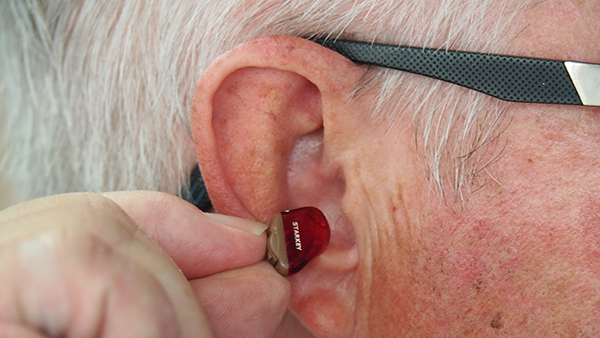
According to the National Institute on Deafness and Other Communication Disorders (NIDCD), approximately 28.8 million U.S. adults could benefit from hearing aids, yet fewer than one in five of those who would benefit actually use them. The high cost of hearing aids—often $2,000 to $7,000 per pair—is a significant barrier. Hearing coverage may help reduce out-of-pocket costs and encourage earlier treatment.
What Is Hearing Insurance?
Hearing insurance (sometimes called a hearing benefit plan) is coverage designed to help pay for hearing health services, including hearing exams, hearing aids, fittings, and related care. Unlike medical insurance, which may cover diagnostic hearing tests ordered by a physician, hearing benefit plans focus specifically on routine hearing care and hearing aid devices.
Hearing coverage may be available as a standalone ancillary benefit (similar to dental or vision insurance), bundled within a health insurance plan, or offered through a Medicare Advantage plan. The structure of hearing benefits varies widely, with some plans providing dollar allowances toward hearing aids and others offering access to discounted pricing through a provider network.
Hearing Insurance vs. Medical Hearing Coverage:
Hearing Benefit Plans:
- •Routine hearing exams and screenings
- •Hearing aids (devices, fittings, adjustments)
- •Batteries, accessories, and maintenance
- •Typically subject to allowances and frequency limits
Medical Insurance (Health Plans):
- •Diagnostic hearing tests ordered by a physician
- •Treatment for medical ear conditions (infections, tumors)
- •Cochlear implant surgery (when medically necessary)
- •Balance and vestibular disorder treatment
What Hearing Plans Typically Cover & Exclude
Typically Covered
- Hearing exams and screenings
Annual or biennial audiological evaluations to assess hearing levels
- Hearing aid devices
Coverage or allowance toward prescription hearing aids, typically per ear
- Fittings and adjustments
Professional fitting, programming, and follow-up adjustments
- Batteries and accessories
Some plans include batteries for non-rechargeable models
- Hearing aid warranty coverage
Manufacturer warranty for repair and replacement during coverage period
- Trial periods
Many plans include a 30-60 day risk-free trial on hearing aids
Common Exclusions
- Cosmetic modifications
Custom colors, decorative accessories, or non-functional modifications
- Lost or damaged hearing aids
Replacement outside of warranty period or manufacturer coverage
- Cochlear implants and surgical devices
Typically covered under medical insurance rather than hearing benefit plans
- Experimental or investigational devices
Devices not yet FDA-approved or considered experimental
- Replacement before frequency limit
Hearing aids replaced sooner than the plan's allowable timeframe (typically 3-5 years)
- Medical ear treatments
Conditions like ear infections, tinnitus treatment, or surgery (covered by health insurance)
Types of Hearing Aids
Hearing aids come in several styles, each designed for different levels of hearing loss, lifestyle needs, and comfort preferences. Understanding the options can help you discuss choices with your audiologist:
| Type | Description | Hearing Loss Level | Visibility |
|---|---|---|---|
| Behind-the-Ear (BTE) | Rests behind the ear with a tube connecting to an ear mold in the ear canal | Mild to profound | Most visible |
| Receiver-in-Canal (RIC) | Main unit behind the ear with the speaker placed directly in the ear canal | Mild to severe | Discreet |
| In-the-Ear (ITE) | Custom-molded to fit in the outer bowl of the ear; available in full or half shell | Mild to severe | Moderately visible |
| In-the-Canal (ITC) | Custom-molded to fit partly in the ear canal; smaller than ITE | Mild to moderate | Less visible |
| Completely-in-Canal (CIC) | Fits entirely inside the ear canal; smallest custom-fit type | Mild to moderate | Nearly invisible |
| Over-the-Counter (OTC) | FDA-regulated since 2022; available without a prescription for adults | Mild to moderate | Varies by model |
Source: Mayo Clinic — Hearing aids: How to choose the right one
How Hearing Benefits Typically Work
Hearing benefit plans vary widely in structure, but most operate using a combination of allowances, frequency limits, and network discounts. Here is how hearing benefits generally work:
Dollar Allowance
Many plans provide a set dollar amount toward hearing aids—commonly between $500 and $5,000 per ear. You may choose any hearing aid, but you pay the difference if the device costs more than the allowance. Some plans offer tiered allowances based on technology level.
Frequency Limits
Plans typically limit how often you can receive benefits. Common frequency limits include hearing exams every 12-24 months and hearing aids every 24-60 months (2-5 years). Some plans may allow earlier replacement if hearing changes significantly.
Network Providers
Some plans use a network of audiologists and hearing aid dispensers who offer discounted pricing. Using in-network providers may lower your costs. Out-of-network services may be covered at a reduced rate or not at all, depending on the plan.
Copays and Coinsurance
Hearing exams may require a copay (such as $10 to $50), while hearing aids may involve coinsurance (your percentage share of the cost). Some discount-based plans have no copays but instead provide access to negotiated lower prices.
Need Help Understanding Your Hearing Coverage Options?
We can help you review available hearing benefit plans and compare coverage options for your situation.
Where to Find Hearing Coverage
Hearing coverage can come from several sources. Here are the most common ways people obtain hearing benefits:
Medicare Advantage (Part C) Plans
While Original Medicare (Parts A and B) does not cover hearing aids or routine hearing exams, many Medicare Advantage plans include hearing benefits as supplemental coverage. These may include hearing exam coverage, hearing aid allowances, and access to provider networks. Benefits vary by plan and location, so it is important to compare options during enrollment.
Note: Medicare Part B does cover diagnostic hearing and balance exams ordered by a physician for medical treatment purposes.
Employer-Sponsored Group Plans
Some employers offer hearing benefits as part of their employee benefits package, either bundled with health insurance or as a standalone ancillary benefit similar to dental or vision coverage. Group hearing plans typically offer hearing aid allowances and exam coverage at rates that may be lower than individual market pricing.
Standalone Hearing Benefit Plans
Some providers offer dedicated hearing insurance plans. These standalone plans, which function similarly to dental or vision benefits, are becoming more available for groups and employers. Individual standalone hearing plans are less common but may be available in some markets.
Medicaid
Medicaid coverage for hearing aids varies by state. In New York, Medicaid may cover hearing aids and related services for eligible individuals. Those who are dually eligible for both Medicare and Medicaid may receive hearing aid assistance through Medicaid that is not available through Original Medicare.
Discount Hearing Programs
Some organizations offer hearing aid discount programs (not insurance) that provide access to reduced pricing through participating providers. These may be available through unions, professional associations, or AARP. While not insurance, these programs may help reduce costs for those without hearing coverage.
Why Hearing Health Matters: The Impact of Untreated Hearing Loss
Research from leading medical institutions has identified significant health risks associated with untreated hearing loss. Understanding these connections may help underscore the value of hearing coverage:
Cognitive Decline & Dementia Risk
The Johns Hopkins Bloomberg School of Public Health has found that even mild hearing loss may double the risk of dementia. The 2024 Lancet Commission on Dementia identified hearing loss as one of 14 modifiable risk factors, suggesting that addressing hearing loss could potentially help prevent a meaningful percentage of dementia cases.
Falls and Physical Safety
Research published in the Archives of Internal Medicine found that individuals with hearing loss have a significantly greater risk of falls. A 25 dB hearing loss (the equivalent of going from normal to mild hearing loss) was associated with a nearly three-fold increase in the odds of reporting a fall.
Social Isolation & Depression
According to Johns Hopkins Medicine, untreated hearing loss is linked to increased social isolation, loneliness, and depression. Difficulty following conversations may lead individuals to withdraw from social activities, which can further impact mental health and overall quality of life.
Benefits of Treatment
The NIH-funded ACHIEVE study found that hearing intervention slowed cognitive decline by 48% over three years in a pre-specified group of older adults at higher risk for cognitive decline. While the overall study population did not show the same effect within the three-year period, researchers believe benefits may take longer to appear in lower-risk groups.
Hearing Coverage in New York State
Here is what New York residents should know about hearing coverage and hearing aid access. Stan Steele Agency, based in Rochester, NY, can help you review options available in the state.
Current NY Hearing Aid Coverage
As of 2026, New York does not have a comprehensive mandate requiring all health insurance plans to cover hearing aids for adults. However, multiple bills have been introduced in the NY State Legislature to amend Section 3221 of the Insurance Law to require hearing aid coverage under group health insurance policies. Some plans may voluntarily include hearing benefits.
Proposed Legislation
Proposed bills in New York include provisions for hearing aid coverage of up to $5,000 per hearing-impaired ear every 24 months for all insured individuals, as well as separate bills focused specifically on hearing aid coverage for children under 18. These bills would require coverage in group health insurance policies if enacted.
Pediatric Hearing Screening
Under the Affordable Care Act, health plans must cover newborn hearing screening as a preventive service without cost-sharing. New York also requires newborn hearing screening through the NY Early Intervention Program. Children identified with hearing loss may be eligible for services through Early Intervention or school-based programs.
NY Medicaid Hearing Benefits
New York Medicaid provides hearing aid coverage for eligible individuals, including audiological evaluations, hearing aid devices, ear molds, and repairs. Medicaid recipients in New York may be eligible for hearing aids every three to five years, depending on medical necessity.
Over-the-Counter Hearing Aids
Since the FDA's 2022 ruling, over-the-counter (OTC) hearing aids are available without a prescription for adults with mild to moderate hearing loss. OTC hearing aids are generally less expensive than prescription devices but are not typically covered by insurance plans. Professional guidance from an audiologist is still recommended.
Who May Benefit from Hearing Coverage?
Adults Over 50
Age-related hearing loss (presbycusis) is one of the most common conditions affecting older adults. According to the NIDCD, approximately 1 in 3 Americans between ages 65 and 74 has hearing loss.
Employers Offering Benefits Packages
Adding hearing benefits to an employee benefits package can complement dental and vision coverage, potentially improving employee satisfaction and retention.
Workers in Noisy Environments
Individuals in construction, manufacturing, music, and other high-noise occupations face elevated risk of noise-induced hearing loss. The NIDCD reports that about 18% of adults with five or more years of occupational noise exposure have speech-frequency hearing loss.
Families with Children
Early detection and treatment of hearing loss in children is critical for speech and language development. Pediatric hearing screenings are covered as preventive services under the ACA, but hearing aids for children may require additional coverage.
Veterans
Hearing issues are the most common service-connected disability among U.S. veterans, with 3.6 million veterans receiving benefits for hearing problems. Veterans may have hearing coverage through VA benefits, but supplemental coverage options may also be available.
Medicare Beneficiaries
Since Original Medicare does not cover hearing aids, Medicare beneficiaries who need hearing devices should consider Medicare Advantage plans that include hearing benefits or supplemental hearing coverage.
Hearing Loss by the Numbers
Hearing loss is one of the most common health conditions in the United States and worldwide. These statistics from leading health organizations help illustrate the scope:
Tips for Evaluating Hearing Coverage Options
Check Your Current Plan
Review your existing health insurance, Medicare Advantage plan, or employer benefits to see if hearing coverage is already included. Some plans include hearing benefits that members may not be aware of.
Compare Allowance Amounts
If you need hearing aids, compare the dollar allowance per ear across plans. A plan with a higher allowance may save you significantly on devices that can cost $1,000 to $3,500+ per ear.
Look at Provider Networks
Check whether your preferred audiologist or hearing aid provider is in the plan's network. Using in-network providers typically results in lower out-of-pocket costs.
Understand Frequency Limits
Know how often the plan allows hearing aid replacement (every 2-5 years) and hearing exams (annually or biennially). Consider whether the replacement cycle aligns with your needs.
Consider HSA/FSA Options
Health Savings Accounts (HSAs) and Flexible Spending Accounts (FSAs) can be used to pay for hearing aids and hearing exams with pre-tax dollars, reducing your effective cost even without dedicated hearing insurance.
Ask About Trial Periods
Many hearing aid providers offer 30-60 day trial periods. Some hearing benefit plans include trial periods as part of coverage. This allows you to test hearing aids before committing to a particular model.
Frequently Asked Questions About Hearing Insurance
What does hearing insurance typically cover?
Hearing insurance or hearing benefits may cover hearing exams, hearing aid devices, hearing aid fittings and adjustments, and sometimes batteries or accessories. Coverage varies significantly by plan and carrier. Some plans provide a dollar allowance toward hearing aids, while others offer access to discounted pricing through a provider network.
Does Medicare cover hearing aids?
Original Medicare (Parts A and B) does not cover hearing aids or routine hearing exams. However, Medicare Part B does cover diagnostic hearing exams ordered by a physician. Many Medicare Advantage (Part C) plans include hearing benefits such as hearing exams and hearing aid allowances as supplemental benefits.
How much do hearing aids cost without insurance?
Prescription hearing aids typically cost between $2,000 and $7,000 per pair, depending on the type and technology level. Over-the-counter (OTC) hearing aids, available since FDA approval in 2022, may cost between $100 and $2,000 per pair. Costs often include professional services such as fitting, adjustment, and follow-up visits.
Does New York require insurance to cover hearing aids?
As of 2026, New York does not have a comprehensive mandate requiring all insurance plans to cover hearing aids. However, multiple bills have been introduced in the NY State Legislature to require hearing aid coverage under group health insurance policies. Some plans may voluntarily include hearing benefits. Check your specific policy for details.
How often can I get new hearing aids with insurance?
Most hearing benefit plans that cover hearing aids allow replacement every 3 to 5 years, though some plans may allow replacement every 24 to 36 months. Hearing exams are typically covered annually or every two years. Frequency limits vary by plan and carrier, so it is important to review your specific plan documents.
Can I get hearing coverage through my employer?
Some employers offer hearing benefits as part of their employee benefits package, either bundled with health insurance or as a standalone ancillary benefit similar to dental or vision. Group hearing plans may provide hearing exam coverage and hearing aid allowances at rates that may be lower than individual coverage. Ask your employer or HR department about available options.
What is the difference between OTC and prescription hearing aids?
Over-the-counter (OTC) hearing aids are designed for adults with mild to moderate hearing loss and can be purchased without a prescription or audiologist visit. Prescription hearing aids are fitted by an audiologist, can address a wider range of hearing loss (including severe and profound), and typically include professional services like fitting, programming, and follow-up care. Insurance plans more commonly cover prescription hearing aids.
Related Coverage Options
Vision Insurance
Coverage for eye exams, glasses, and contact lenses. Often paired with hearing and dental coverage as part of a benefits package.
Dental Insurance
Preventive, basic, and major dental coverage. Like hearing benefits, dental is a common ancillary benefit offered by employers.
Health Insurance
Medical insurance plans that may include diagnostic hearing coverage. Some health plans bundle hearing benefits.
Medicare Plans
Medicare Advantage plans may include hearing aid coverage. Original Medicare does not cover hearing aids or routine hearing exams.
Important Information
This information is provided for general educational purposes only and does not constitute insurance advice or policy recommendations. Coverage features described are examples and may not be available in all policies or from all carriers. Actual coverage is subject to the terms, conditions, and exclusions of the policy as issued. Hearing plan availability, coverage levels, and network providers vary by carrier and plan. Please consult with a licensed insurance professional to discuss your specific coverage needs and options. Stan Steele Agency is licensed in New York State.
How We Can Help:
- Present hearing benefit plan options from available carriers
- Help you understand Medicare Advantage hearing coverage
- Compare hearing aid allowances and coverage levels
- Assist employers with group hearing benefit options
- Coordinate hearing with dental, vision, and health coverage
Monday-Friday 9AM-5PM EST • Serving NY since 1969
Explore Hearing Coverage for You or Your Team
Whether you are looking for individual hearing aid coverage, Medicare hearing benefits, or group hearing plans for your employees, we can help you explore available options.