Individual & Group Plans Available
Vision Insurance Plans in New York
Help protect your eye health and manage the cost of eyewear with vision insurance plans designed for individuals, families, and businesses across New York State.
- NYS Licensed Agency
- Multiple Carrier Options
- Individual & Group Plans
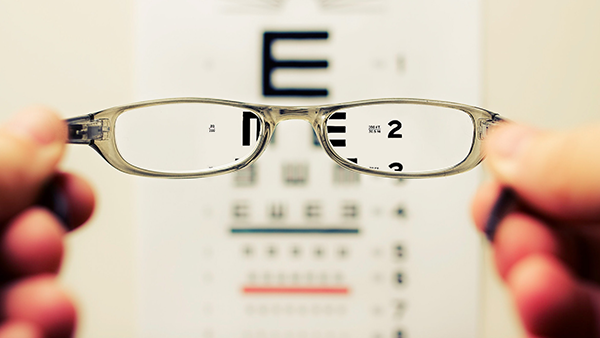
Whether you wear glasses, contacts, or simply want to stay on top of your eye health, routine vision care is an important part of your overall wellness. But without coverage, the cost of annual exams and prescription eyewear can be a barrier—leading many people to skip or delay care they need.
The Stan Steele Agency can help you explore vision insurance options for individuals, families, and businesses in New York, presenting available plans from multiple carriers so you can compare coverage and find a fit for your needs and budget.
Why Vision Coverage Matters
Many people overlook vision insurance because they believe their eyes are healthy. However, comprehensive eye exams do more than check your prescription—they can detect early signs of serious health conditions including diabetic retinopathy, glaucoma, macular degeneration, and even high blood pressure. Without insurance, the cost of exams and corrective eyewear can add up quickly.
What Is Vision Insurance?
Vision insurance is a type of health coverage designed to help reduce the cost of routine eye care. Unlike medical health insurance, which covers eye diseases and injuries, vision insurance focuses on preventive and routine services—annual eye exams, prescription eyeglasses, and contact lenses.
Most vision plans work on a benefits schedule: you pay a monthly or annual premium, and in return you receive coverage for eye exams (usually with a small copay) and an allowance toward eyewear. Many plans also offer discounts on services not fully covered, such as lens upgrades or elective procedures.
Vision insurance may be purchased as a standalone individual plan, added to an employer-sponsored benefits package, or included as part of a bundled health plan. For employers, offering vision benefits can be a cost-effective way to enhance your employee benefits package.
How Vision Insurance Works
- 1Pay a monthly or annual premium for your plan
- 2Schedule a routine eye exam with an in-network provider
- 3Pay a copay at your appointment (typically $10–$25)
- 4Use your frame and lens allowance toward eyeglasses
- 5Or apply your contact lens benefit instead of glasses
Vision Insurance vs. Medical Eye Care
Understanding the difference between vision insurance and medical eye care coverage is important for knowing which plan pays for which services.
Vision Insurance (Routine Care)
- Annual comprehensive eye exams
- Prescription eyeglasses (frames and lenses)
- Contact lens fittings and supplies
- Lens upgrades and coatings (at discount)
- Prescription updates and refraction tests
Medical Eye Insurance (Health Insurance)
- Glaucoma diagnosis and treatment
- Cataract surgery and follow-up
- Macular degeneration treatment
- Eye infections and injuries
- Diabetic eye disease management
Note: If your eye doctor detects a medical condition during a routine eye exam, treatment is typically billed to your medical health insurance rather than your vision plan. Having both types of coverage helps provide more complete eye care protection.
What Vision Insurance Typically Covers
Typically Covered
- Comprehensive Eye Exams — Annual dilated eye exams to check vision, eye health, and update prescriptions, usually with a small copay.
- Prescription Lenses — Single vision, bifocal, trifocal, or progressive lenses with coverage typically available every 12 months.
- Eyeglass Frames — An allowance toward frames from a selection of in-network brands, typically available every 24 months.
- Contact Lenses — An allowance for contact lenses and fitting fees, typically offered as an alternative to eyeglasses each benefit period.
- Lens Enhancements — Discounts on coatings like anti-reflective, scratch-resistant, UV protection, and photochromic (light-adaptive) lenses.
- Pediatric Vision Care — Coverage for children's eye exams and eyewear, classified as an essential health benefit under the ACA for children under 19.
Common Exclusions
- LASIK and Refractive Surgery — Elective procedures like LASIK, PRK, and other refractive surgeries are typically not covered, though discounts may be available.
- Medical Eye Conditions — Treatment for eye diseases (glaucoma, cataracts, macular degeneration) falls under medical insurance, not vision plans.
- Non-Prescription Eyewear — Plano (non-prescription) sunglasses, cosmetic lenses, and fashion eyewear without a prescription are generally excluded.
- Costs Above Allowance — If you choose frames or lenses that exceed your plan's allowance, you are responsible for the difference.
- Experimental Procedures — Investigational or experimental treatments and procedures are not covered under standard vision plans.
- Replacement of Lost or Broken Eyewear — If you lose or break your glasses outside of the normal benefit cycle, replacements typically are not covered until your next eligibility period.
Need Help Choosing a Vision Plan?
We can walk you through available vision plan options and help you find coverage that fits your needs and budget.
Types of Vision Insurance Plans
Vision coverage comes in several forms. Understanding the differences can help you choose the plan that best fits your situation.
Vision Benefits Packages (Insurance Plans)
These are traditional insurance-style plans where you pay a monthly premium and receive defined benefits. They typically include:
- •Copays for eye exams (commonly $10–$25 per visit)
- •Frame allowances (commonly $130–$200 per benefit period)
- •Lens coverage with copays for standard and premium options
- •Contact lens allowances as an alternative to eyeglasses
This is the most common type of vision coverage for both employer-sponsored and individual plans.
Vision Discount Plans
Discount plans are not insurance—they provide reduced pricing on eye care services through a network of providers. Key differences include:
- •Lower monthly cost compared to insurance plans
- •Percentage discounts on exams, eyewear, and procedures
- •No waiting periods or frequency limitations
- •You pay the discounted price directly to the provider
Discount plans may work well for people who want basic savings but do not need the full benefits of an insurance plan.
Employer Group Vision Plans
Group vision plans offered through employers typically provide the most comprehensive benefits at competitive rates:
- •Lower per-person premiums due to group purchasing power
- •Premiums typically deducted pre-tax through payroll
- •Coverage for employees and eligible dependents
- •Employers may cover all or part of the premium cost
Offering group vision insurance can be a cost-effective way for employers to attract and retain employees.
Typical Vision Plan Coverage Frequencies
Vision insurance plans have benefit cycles that determine how often you can use specific covered services. While exact terms vary by plan, here are common frequencies:
| Service | Typical Frequency | Common Benefit |
|---|---|---|
| Comprehensive Eye Exam | Every 12 months | Covered in full after copay |
| Prescription Lenses | Every 12 months | Covered with copay; upgrades at additional cost |
| Eyeglass Frames | Every 24 months | Allowance toward in-network selection |
| Contact Lenses | Every 12 months | Allowance or copay (in lieu of glasses) |
| Contact Lens Fitting | Every 12 months | Covered or discounted with contacts benefit |
Benefit frequencies vary by plan. Some plans measure benefit periods from the date of service rather than a calendar year. Review your specific plan documents for exact details.
The Importance of Routine Eye Care
Regular eye exams are about more than updating your prescription. According to the National Eye Institute, a comprehensive dilated eye exam is one of the most important things you can do for your eye health because many eye diseases have no early warning signs.
Conditions Detected Through Eye Exams
- Glaucoma — Often has no symptoms until significant vision loss has occurred. Early detection through eye pressure testing is critical.
- Diabetic Retinopathy — Eye exams can reveal signs of diabetes-related damage to blood vessels in the retina, sometimes before a diabetes diagnosis.
- Macular Degeneration — Age-related macular degeneration (AMD) is a leading cause of vision loss in Americans over 50, according to the NEI.
- Hypertension — Changes in blood vessels in the eye may indicate high blood pressure, even in people who are otherwise unaware of the condition.
Recommended Eye Exam Schedule
Based on guidelines from the American Academy of Ophthalmology
Children (Ages 0–17)
Screening at 6 months, 3 years, before first grade, then every 1–2 years or as recommended by their doctor.
Adults (Ages 18–39)
At least one comprehensive exam in your 20s and two in your 30s if no risk factors are present. Annual exams if you wear corrective lenses.
Adults (Ages 40–64)
Baseline exam at age 40, then every 2–4 years or as recommended. More frequently if risk factors are present.
Seniors (Ages 65+)
Comprehensive eye exam every 1–2 years. Risk of cataracts, glaucoma, and macular degeneration increases with age.
Children's Vision Coverage
Pediatric Vision: An Essential Health Benefit
Under the Affordable Care Act (ACA), pediatric vision care is classified as one of the 10 essential health benefits. This means ACA-compliant health insurance plans sold on the marketplace must include vision coverage for children under 19, including at least one pair of glasses per year and one eye exam per year.
Why Early Eye Exams Matter
The American Optometric Association notes that vision problems may affect a child's learning and development. Many children do not realize they have a vision problem because they assume everyone sees the way they do.
School Vision Screenings
School screenings are limited and may miss many vision problems. A comprehensive eye exam by an eye care professional is more thorough and can detect issues like amblyopia (lazy eye), strabismus (crossed eyes), and refractive errors.
Coverage for Children
Family vision plans typically cover annual eye exams for children, plus eyeglasses or contact lenses as prescribed. Children may need more frequent prescription updates as their eyes develop, making annual coverage particularly valuable.
What to Consider When Choosing a Vision Plan
Questions to Ask:
How often do you or your family need eye care?
If you wear glasses or contacts and need annual exams, a comprehensive insurance plan may provide more value than a discount plan.
Is your preferred eye doctor in the plan's network?
In-network providers offer the greatest savings. Check provider directories before enrolling to make sure your preferred doctor participates.
Do you prefer glasses, contacts, or both?
Some plans require you to choose between glasses and contacts each benefit period. Others offer benefits for both. Check how the plan handles contact lens fitting fees.
What is the frame and lens allowance?
Compare the allowance to the actual cost of the eyewear you typically choose. A higher allowance plan may save you more overall even with a slightly higher premium.
Are you an employer looking to offer group coverage?
Group vision plans are typically among the most affordable employee benefits to offer. We can help you compare options from multiple carriers.
Group Vision Insurance for Employers
Offering vision benefits can help businesses attract and retain employees. Vision insurance is one of the most commonly requested voluntary benefits and is relatively affordable for employers to provide.
Benefits of Offering Group Vision
- Affordable benefit that employees value—may help with recruitment and retention
- Employer contributions may be tax-deductible as a business expense
- Pre-tax premium deductions may reduce payroll taxes for both employer and employee
- Can be offered as employer-paid, voluntary (employee-paid), or shared cost
- Easy to administer alongside other group benefits
What to Look for in a Group Plan
- Network size and access to local providers
- Frame and lens allowance amounts
- Minimum participation requirements
- Whether the plan can bundle with dental or other benefits
- Online ordering and out-of-network reimbursement options
Frequently Asked Questions About Vision Insurance
What does vision insurance typically cover?
Vision insurance typically covers routine eye exams, prescription eyeglasses (lenses and frames), and contact lenses. Many plans provide a copay for annual eye exams and an allowance toward frames and lenses. Some plans may also offer discounts on elective procedures like LASIK.
What is the difference between vision insurance and medical eye insurance?
Vision insurance covers routine eye care such as annual exams, glasses, and contacts. Medical eye insurance, typically provided through your health insurance plan, covers eye diseases and conditions like glaucoma, cataracts, macular degeneration, and eye injuries. If your eye doctor detects a medical condition during a routine exam, treatment may be billed to your medical insurance instead.
How often can I get new glasses with vision insurance?
Most vision insurance plans allow new lenses every 12 months and new frames every 24 months, though this varies by plan. Some plans offer annual allowances for both lenses and frames. Contact lens benefits are typically available every 12 months as an alternative to glasses.
Does vision insurance cover LASIK surgery?
Most standard vision insurance plans do not fully cover LASIK or other refractive surgery, as these are considered elective procedures. However, many vision plans offer discounts on LASIK through participating providers, which may reduce the cost. Check your specific plan details for any refractive surgery benefits.
Can I get vision insurance as an individual?
Yes, vision insurance is available both as individual plans and as group plans through employers. Individual vision plans can be purchased directly and typically cover routine eye exams and provide allowances for eyewear. Group vision plans offered through employers often provide more comprehensive benefits at lower per-person costs.
Why are routine eye exams important even if I have good vision?
Routine eye exams can detect early signs of serious health conditions beyond just vision problems. Eye doctors may identify indicators of diabetes, high blood pressure, high cholesterol, and certain autoimmune disorders during a comprehensive eye exam. Early detection of eye conditions like glaucoma is also important because many eye diseases have no early symptoms.
Does vision insurance cover children?
Yes, most vision insurance plans cover dependent children. Under the Affordable Care Act, pediatric vision care is classified as an essential health benefit, meaning marketplace health plans must include vision coverage for children under 19. Family vision plans and employer group plans typically cover dependent children as well.
Related Coverage Options
Dental Insurance
Dental coverage for preventive care, basic procedures, and major work. Often bundled with vision for added savings.
Health Insurance
Medical coverage for doctor visits, hospital stays, prescriptions, and medical eye conditions not covered by vision plans.
Hearing Insurance
Coverage for hearing exams and hearing aids. Another commonly overlooked sensory health benefit.
Disability Insurance
Income protection if an illness or injury prevents you from working. Helps maintain financial stability.
Important Information
This information is provided for general educational purposes only and does not constitute insurance advice or policy recommendations. Coverage features described are examples and may not be available in all policies or from all carriers. Actual coverage is subject to the terms, conditions, and exclusions of the policy as issued. Benefit frequencies, copays, and allowances vary by plan and carrier. Please consult with a licensed insurance professional to discuss your specific coverage needs and options. Stan Steele Agency is licensed in New York State.
How We Can Help:
- Compare plans from multiple vision insurance carriers
- Individual, family, and group plan options
- Help understanding plan benefits and networks
- Assistance with enrollment and plan administration
- Bundling options with dental and other benefits
Protect Your Vision and Your Budget
Whether you need individual coverage or want to offer vision benefits to your employees, we can help you explore plan options that fit your needs and budget.