Individual & Family Coverage
Dental Insurance Plans in New York
Explore dental coverage options that may help manage the cost of preventive care, basic procedures, and major dental work
- NYS Licensed Agency
- Individual & Family Plans
- Serving NY Since 1969
Why Dental Coverage Matters
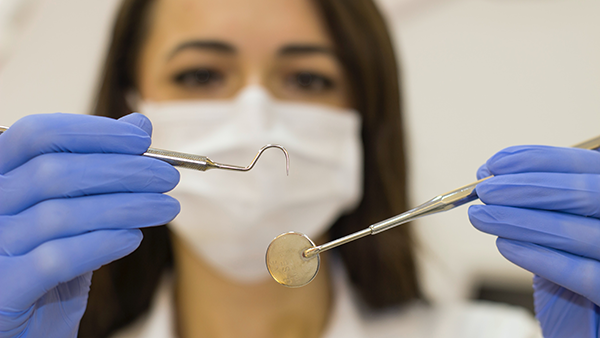
According to the American Dental Association, regular dental visits are important for maintaining oral health and may help with early detection of potential issues. Dental insurance may help reduce out-of-pocket costs for routine preventive care, encouraging more consistent visits.
Enroll Online
Prefer to enroll on your own?
An individual dental plan is available for direct online enrollment — you can review the plan details and sign up yourself, no broker assistance required. If you would rather compare other options first, we are happy to help.
What Is Dental Insurance?
Dental insurance is a type of health coverage designed to help pay for dental care services. Plans typically cover a range of services from routine preventive care (such as cleanings and exams) to more extensive procedures (such as crowns, bridges, and dentures). Like medical insurance, dental plans involve deductibles, copayments, and coverage limits.
Most dental plans are structured around three tiers of service, with higher coverage percentages for preventive care and lower percentages for major procedures. This structure is designed to encourage regular preventive visits, which may help reduce the need for more costly procedures over time.
How Dental Insurance Generally Works:
What You Pay:
- •Annual deductible: Amount you pay before coverage begins (often $50-$100 per person)
- •Coinsurance or copay: Your share of costs after the deductible is met
What the Plan Covers:
- •Covered services up to the annual maximum benefit
- •Coverage percentages vary by service category
- •Network discounts may apply for in-network providers
Types of Dental Insurance Plans
Several types of dental insurance plans are available, each with different structures for how you access care and share costs. Understanding the differences can help you evaluate which type may fit your situation:
| Feature | DPPO | DHMO | Indemnity |
|---|---|---|---|
| Network | Preferred provider network; out-of-network allowed at higher cost | Must use network dentists; primary dentist assigned | See any licensed dentist; no network restrictions |
| Deductible | Typically $50-$100 per person | Usually no deductible | Typically $50-$100 per person |
| Annual Maximum | Usually $1,000-$2,000 | Often no annual maximum | Usually $1,000-$2,500 |
| Referrals Required | No | Yes, for specialists | No |
| Provider Choice | Broad — in-network and out-of-network | Limited to network providers | Maximum flexibility — any dentist |
| Best For | Balance of cost and flexibility | Budget-conscious; routine care focus | Maximum provider choice |
Plan features vary by carrier and specific plan selected. The information above represents common characteristics of each plan type.
What Dental Insurance Typically Covers
Most dental plans organize covered services into three categories, each with different coverage levels. A common structure is known as the "100-80-50" model, though actual percentages vary by plan:
Preventive Care
- Routine cleanings (typically 2 per year)
- Oral exams and evaluations
- Diagnostic X-rays (bitewing and panoramic)
- Fluoride treatments (typically for children)
- Sealants (typically for children)
Often covered with no deductible
Basic Procedures
- Fillings (amalgam and composite)
- Simple tooth extractions
- Root canal therapy (anterior teeth)
- Periodontal scaling and root planing
- Emergency dental treatment
Usually subject to deductible
Major Procedures
- Crowns and inlays/onlays
- Bridges and dentures
- Surgical extractions (impacted teeth)
- Root canals (molars)
- Dental implants (some plans)
Subject to deductible; may have waiting periods
Coverage percentages and covered services vary by plan and carrier. Always review actual plan documents for specific terms, conditions, and exclusions.
Common Dental Insurance Exclusions
While dental plans cover a wide range of services, there are some common exclusions and limitations to be aware of:
Services Often Not Covered or Limited
- Cosmetic procedures (teeth whitening, veneers for appearance only)
- Orthodontics (may require separate rider or plan)
- Dental implants (excluded by some plans)
- Pre-existing conditions (during waiting period)
- TMJ/TMD treatment (varies by plan)
- Experimental or investigational procedures
- Services exceeding frequency limits (e.g., more than 2 cleanings per year)
- Replacement of recently placed restorations (within 5-10 years)
Exclusions vary by plan and carrier. Always review actual policy language for specific terms and exclusions. Some exclusions may be available as optional riders for an additional cost.
Understanding Waiting Periods
Many dental insurance plans include waiting periods before certain categories of services are covered. This means you may need to maintain your plan for a set period before benefits become available for some procedures:
Preventive Services
Most plans cover preventive services immediately or with a very short waiting period. This means you may be able to schedule cleanings and exams soon after enrollment.
Basic Procedures
Waiting periods for basic procedures such as fillings and simple extractions commonly range from 3 to 6 months, though some plans may offer immediate coverage or shorter waits.
Major Procedures
Major work such as crowns, bridges, and dentures often has waiting periods of 6 to 12 months. This is one reason dental coverage is something to consider before you anticipate needing significant dental work.
Planning Tip: If you know you may need dental work in the near future, discuss waiting period options with a licensed insurance professional. Some plans may offer shorter or no waiting periods.
Interested in Dental Coverage?
Let us help you compare dental plan options and understand what may work for your situation.
Dental Insurance in New York State
New York residents have several options for obtaining dental coverage, including plans available through the state marketplace and private carriers:
NY State of Health Marketplace
The NY State of Health marketplace offers standalone dental plans for individuals and families. These plans are available during open enrollment periods or with a qualifying life event. Subsidies may be available for those who qualify.
Pediatric Dental Coverage Under the ACA
Under the Affordable Care Act, pediatric dental coverage is considered an essential health benefit. This means dental coverage for children must be available in marketplace health plans, either embedded in the medical plan or as a standalone dental plan.
NY Essential Plan
The NY Essential Plan provides low-cost or no-cost health coverage to qualifying New York residents and includes dental benefits. This can be an option for individuals who meet income eligibility requirements.
Child Health Plus
Child Health Plus provides free or low-cost health insurance for children under 19 who are not eligible for Medicaid and includes comprehensive dental coverage.
Private Individual Dental Plans
Individual and family dental plans are also available directly from insurance carriers outside the marketplace. These plans may offer different coverage options and network sizes. One individual plan is available for direct online enrollment, or a licensed insurance professional can help you compare available options.
Who Should Consider Dental Insurance?
Individuals & Families
- Anyone who values regular preventive dental care
- Families with children who need routine checkups and orthodontic evaluations
- Self-employed individuals without access to employer-sponsored dental benefits
- Retirees who have lost employer dental coverage
- Those who want to manage the cost of unexpected dental work
Business Owners / Employers
- Businesses looking to offer dental benefits as part of an employee benefits package
- Small business owners who want to provide competitive benefits to attract and retain employees
- Organizations supplementing health insurance with dental and vision coverage
- Employers required to offer pediatric dental under ACA provisions
Factors to Consider When Choosing a Dental Plan
Your Dental Health Needs
Consider whether you primarily need preventive care or anticipate needing basic or major procedures. This can help determine the right balance of cost and coverage levels.
Provider Network
Check whether your current dentist is in the plan's network. If maintaining your existing dentist relationship is important, a DPPO or indemnity plan may offer more flexibility.
Annual Maximum
If you expect to need significant dental work, pay attention to the plan's annual maximum. Higher maximums mean the plan may cover more of your costs.
Waiting Periods
If you need dental work soon, look for plans with shorter waiting periods for the categories of service you may need. Some plans offer immediate coverage for all services.
Orthodontic Coverage
If you or your children may need braces or orthodontic treatment, look for plans that include orthodontic benefits. These are often available as a rider with a separate lifetime maximum.
Frequently Asked Questions About Dental Insurance
What does dental insurance typically cover?
Dental insurance plans generally cover three categories of services: preventive care (cleanings, exams, X-rays), basic procedures (fillings, simple extractions, root canals), and major procedures (crowns, bridges, dentures). Plans are commonly structured to pay the largest share of preventive care, a middle share of basic procedures, and a smaller share of major procedures. Coverage percentages and specifics vary by plan and carrier.
What is the difference between a DHMO and a DPPO dental plan?
A DHMO (Dental Health Maintenance Organization) requires you to choose a primary care dentist from a network, often has no annual maximums, but requires referrals for specialists. A DPPO (Dental Preferred Provider Organization) allows you to visit any dentist but offers lower costs for in-network providers, typically has annual maximums and deductibles, and does not require referrals for specialists.
What is a dental insurance annual maximum?
The annual maximum is the most a dental insurance plan will pay for covered services within a plan year. Common annual maximums range from $1,000 to $2,000 per person, though some plans may offer higher limits. Preventive services may or may not count toward the annual maximum depending on the plan. Once the maximum is reached, you are responsible for any additional costs for the remainder of the plan year.
Are there waiting periods for dental insurance?
Many dental insurance plans include waiting periods before certain services are covered, particularly for basic and major procedures. Preventive care is often covered immediately or with a short waiting period. Basic procedures may have a 3-6 month waiting period, and major procedures may have a 6-12 month waiting period. Waiting periods vary by plan and carrier.
Is dental insurance available through the NY State of Health marketplace?
Yes, standalone dental plans are available through the NY State of Health marketplace. Additionally, pediatric dental coverage is included as an essential health benefit in qualified health plans under the Affordable Care Act. Adults can purchase standalone dental plans separately through the marketplace or through private insurance carriers.
Related Coverage Options
Vision Insurance
Coverage for eye exams, glasses, and contact lenses. Often paired with dental coverage as part of a benefits package.
Health Insurance
Medical insurance plans for individuals and families. Dental is often available as a supplement to medical coverage.
NY Essential Plan
Low-cost health coverage for qualifying New York residents that includes dental benefits.
Medicare Plans
Some Medicare Advantage plans include dental coverage. Original Medicare generally does not cover routine dental care.
Important Information
This information is provided for general educational purposes only and does not constitute insurance advice or policy recommendations. Coverage features described are examples and may not be available in all policies or from all carriers. Actual coverage is subject to the terms, conditions, and exclusions of the policy as issued. Dental plan availability, coverage levels, and network providers vary by carrier and plan. Please consult with a licensed insurance professional to discuss your specific coverage needs and options. Stan Steele Agency is licensed in New York State.
How We Can Help:
- Present individual and family dental plan options
- Help you understand DHMO, DPPO, and indemnity plan differences
- Compare coverage levels and costs from available carriers
- Assist with NY State of Health marketplace enrollment
- Coordinate dental with vision and health coverage
Help Protect Your Smile and Your Budget
Dental insurance may help make routine care more affordable and reduce out-of-pocket costs for unexpected procedures. Let us help you explore coverage options.