Commercial Property Programs
New York Self-Storage Facility Insurance
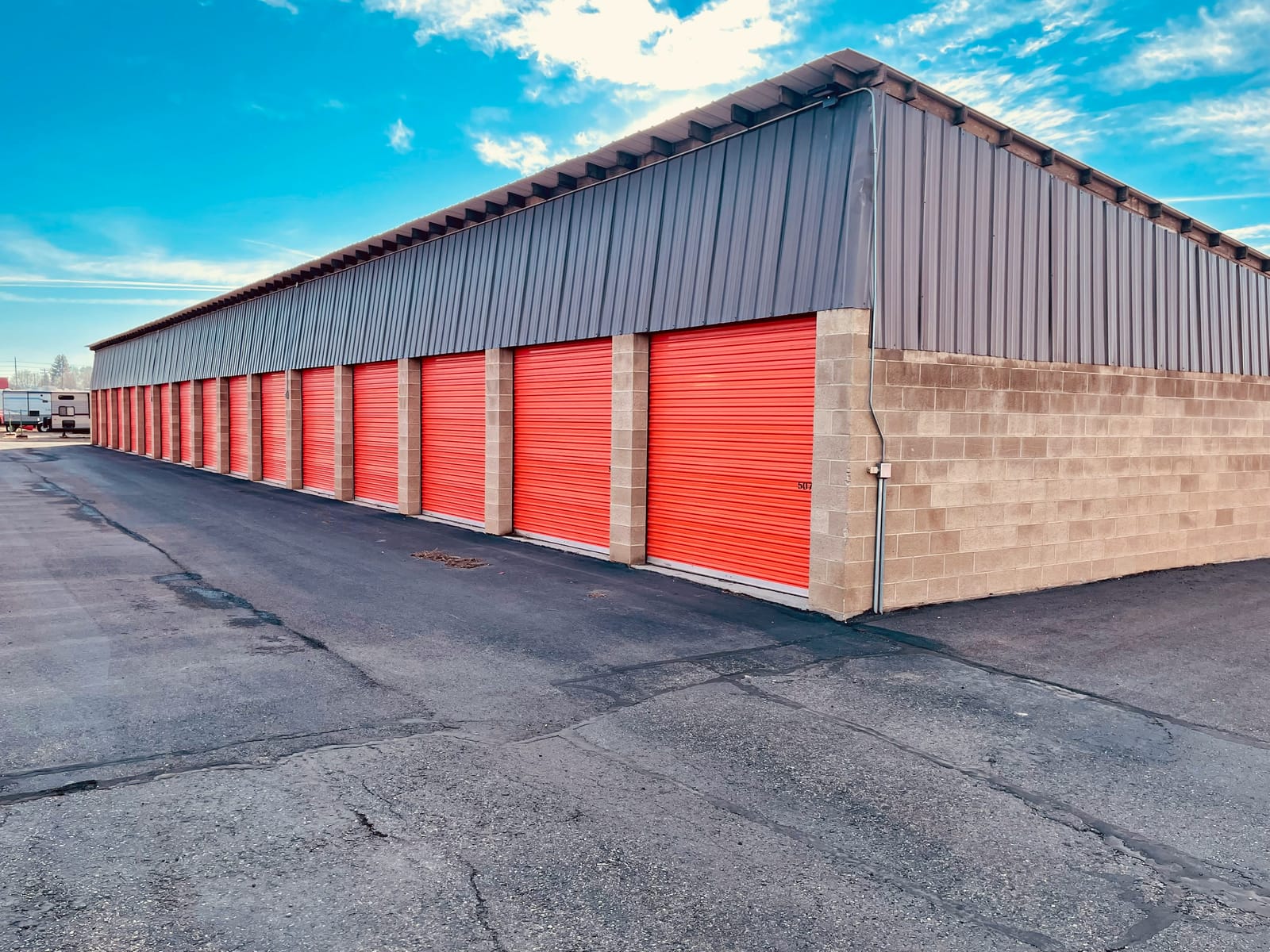
Storage facilities have multiplied across the Finger Lakes — and around here, the business has a seasonal twist: every fall, boats, campers, and pontoons come off the lakes and into storage rows. A storage operation is a real estate business, a security business, and a bailee-like business all at once, and its insurance program needs to address tenants' property claims as carefully as its own buildings.
- NYS Licensed Agency
- Serving Finger Lakes Businesses Since 1969
- Multiple Carrier Options
- Customer Goods
- Tenants’ property claims are the exposure that defines the business
- Boat & RV Rows
- Winter vehicle storage is a Finger Lakes staple with its own risks
- Since 1969
- Serving Ontario County property owners from Bloomfield, NY
Your Rental Agreement and Your Insurance Should Tell the Same Story
Rental agreements typically state that tenants store property at their own risk and should insure it themselves — yet negligence claims against operators still happen, and lien sale disputes are a leading source of storage litigation. The agreement, your tenant insurance requirements, and your own customers' goods and sale & disposal coverage work best when they are reviewed together as one system.
The Stan Steele Agency can help you explore coverage options for storage operations of any size — a few rows of drive-up units, a climate-controlled building, or a mixed facility with outdoor boat and RV parking. We work with carriers offering storage-specific programs and can help you compare how each treats tenant property claims.
Coverage Types Storage Operators Commonly Consider
Buildings & Property
Unit buildings, office, gates, fencing, cameras, and climate systems — with snow load and wind on long roofs in mind.
General Liability
Customer injuries on the premises — trips at unit thresholds, doors, carts, and vehicles maneuvering the aisles.
Customers’ Goods Legal Liability
Tenant claims alleging your negligence damaged stored property — the storage industry’s signature coverage.
Sale & Disposal Liability
Claims arising from lien sales of delinquent units — alleged notice or procedure failures under New York’s lien law.
Business Income
Lost rental revenue while damaged buildings and units are out of service after a covered loss.
Equipment Breakdown & Crime
Gate systems, climate equipment, and cameras, plus money and employee dishonesty options. About equipment breakdown.
What Is Typically Covered vs. Common Exclusions
Typically Covered (Subject to Policy Terms)
- Wind, snow, and fire damage to buildingsThe facility's own structures and systems under property coverage
- Customer injuries on siteSlip, trip, and door-related injuries via general liability
- Tenant claims alleging facility negligenceVia customers' goods legal liability, when purchased
- Lien sale dispute claimsVia sale & disposal liability coverage, when purchased
- Lost rents after a covered lossBusiness income coverage while units are unrentable
Common Exclusions
- Blanket coverage of tenants' belongingsTenant goods are the tenant's to insure — operator coverage responds to legal liability
- Flood and surface waterTypically excluded; low-lying facilities may want separate flood coverage
- Tenant property lost to undocumented causesMysterious disappearance claims are difficult on every side — access logs and cameras matter
- Wear, tear, and deferred maintenanceAging roofs and rusting doors are maintenance, not claims — and they invite the negligence claims that are
- Employee injuries without workers' compStaff injuries belong to workers' compensation coverage
Covered causes and exclusions vary by carrier and policy. Always refer to the policy as issued for the controlling terms.
Adding Buildings or Boat Rows?
Expansions, new climate-controlled space, and outdoor vehicle storage all change the program — a conversation before the concrete pours keeps coverage aligned.
Common Claim Scenarios for Storage Facilities
Understanding how storage claims tend to arise can help you evaluate the coverages that matter:
Roof Leak Damages a Row of Units
A slow leak ruins furniture and boxes in several units, and tenants allege the facility ignored the aging roof. Customers’ goods legal liability may respond to the negligence claims, subject to policy terms — and maintenance records shape the outcome.
Lien Sale Goes Sideways
A delinquent tenant claims the auction of their unit did not follow New York’s notice requirements and sues over the sold property. Sale & disposal liability coverage is designed for this scenario; documented procedures are the other half of the defense.
Snow Load Buckles a Building Roof
A heavy lake-effect winter collapses a section of roof over occupied units. Property coverage may address the building, business income the lost rents, and customers’ goods coverage the tenant property claims that follow.
Stored Boat Damaged in the Lot
A tenant’s winterized boat is found damaged in spring, and the owner alleges a facility vehicle struck it. How outdoor vehicle storage is addressed in the policy — and what the cameras captured — drives how this resolves.
What Affects Storage Facility Insurance Costs?
Several factors influence how carriers evaluate a self-storage risk:
Construction and Roof Condition
Metal building age, roof condition, and snow-load capacity are front-of-mind for upstate New York underwriters.
Security and Access Control
Gates, individual door alarms, cameras, lighting, and access logs reduce both theft losses and disputed claims.
Mix of Storage Types
Drive-up units, climate-controlled space, outdoor boat and RV rows, and any moving or valet services each carry different ratings.
Procedures and Claims History
Written lien sale procedures, tenant insurance requirements, and a clean loss history all help your position in the market.
Practices That May Help Manage Costs:
- Inspect and document roof condition on a schedule
- Follow a written, attorney-reviewed lien sale procedure
- Require or offer tenant insurance and keep proof on file
- Maintain cameras, lighting, and gate logs
- Mark and manage traffic lanes for trailers and RVs
- Review building values and rents annually
Frequently Asked Questions About Self-Storage Insurance
Am I responsible for my tenants’ stored property?
Self-storage operators are generally not insurers of their tenants’ goods — rental agreements typically make tenants responsible for insuring what they store. But that does not end the exposure: tenants regularly allege that the operator’s negligence caused their loss, pointing to a leaking roof, a failed gate, or a botched lien sale. Customers’ goods legal liability coverage is designed for exactly those allegations, responding when the facility is claimed to be legally responsible for damage to stored property.
What is customers’ goods legal liability coverage?
It is a specialty coverage for storage operators that may respond when tenants claim the facility’s negligence damaged their stored property — for example, water intrusion from a poorly maintained roof or a rodent problem the operator allegedly ignored. It typically applies to legal liability rather than acting as blanket coverage on tenant goods, and limits are usually chosen per unit or per occurrence. It works alongside, not instead of, tenant insurance requirements in your rental agreement.
What is sale and disposal liability, and why would I need it?
New York’s lien law gives storage operators a process for selling the contents of delinquent units, with specific notice and procedural requirements. Sale and disposal liability coverage is designed for claims alleging a lien sale was handled improperly — wrong notice, wrong timing, or property sold that should not have been. Because lien sale mistakes are among the most common sources of storage litigation, operators who run auctions typically consider this coverage and tight written procedures together.
Does my facility policy cover outdoor boat and RV storage?
Outdoor vehicle storage is a meaningful part of the business around the Finger Lakes — boats, RVs, and trailers parked for the winter. Vehicles stored outdoors raise their own questions: damage from falling trees or snow load, theft from the lot, and claims that the facility’s negligence caused damage. Coverage depends on how the policy treats vehicles in your care, and rental agreements should be consistent with it. Tell your agent the mix of indoor units, outdoor parking, and any valet or moving services you provide.
Should I require tenants to carry their own storage insurance?
Many operators require proof of insurance or offer a tenant insurance program at the counter, and rental agreements commonly state that tenants store at their own risk. Requirements like these can reduce disputes and make expectations clear, though they do not eliminate negligence claims against the facility. How tenant insurance, your rental agreement, and your own coverage fit together is worth reviewing as one system rather than three separate pieces.
What property exposures does a storage facility itself have?
The facility is rows of buildings, gates, cameras, fencing, and increasingly climate-controlled space with HVAC and humidity systems. Wind and snow load on long single-story roofs, gate and access system breakdown, fire spread between units, and vehicle impacts from customers maneuvering trailers are the everyday property exposures. Business income coverage matters too — units that cannot be rented after a loss are revenue gone until repairs finish.
Related Coverage for Property Operators
Commercial Property
Coverage for the buildings and structures your business owns.
General Liability
Foundation liability coverage for customer injuries and operations.
Business Insurance
Package policy foundations for small and mid-size operations.
Equipment Breakdown
Options for gates, climate systems, and electrical equipment.
How We Can Help:
- Review customers’ goods and sale & disposal options together
- Align rental agreement terms with the coverage behind them
- Address outdoor boat and RV storage explicitly
- Present storage-program markets and compare structures
- Annual reviews as buildings, rows, and rents grow
Important Information
This information is provided for general educational purposes only and does not constitute insurance advice or policy recommendations. Coverage features described are examples and may not be available in all policies or from all carriers. Actual coverage is subject to the terms, conditions, and exclusions of the policy as issued. Please consult with a licensed insurance professional to discuss your specific coverage needs and options. Stan Steele Agency is licensed in New York State (NYS Insurance License Nos. PC-665308, BR-665308, LA-665308).
Talk Through Coverage for Your Facility
From a few drive-up rows to a multi-building operation with winter boat storage, the Stan Steele Agency can help you explore options. Monday-Friday 8:00AM-5PM • Serving Finger Lakes businesses since 1969.