Professional Programs
New York Veterinarian Insurance
Veterinary work in the Finger Lakes spans companion-animal clinics in the villages and large-animal practices serving the dairy farms, horse barns, and hobby farms in between. It is hands-on medicine performed on patients who bite, kick, and bolt — with the practitioner's license, premises, vehicles, and staff all carrying exposure. A veterinary insurance program is built from several coverages working together.
- NYS Licensed Agency
- Serving Finger Lakes Practices Since 1969
- Multiple Carrier Options
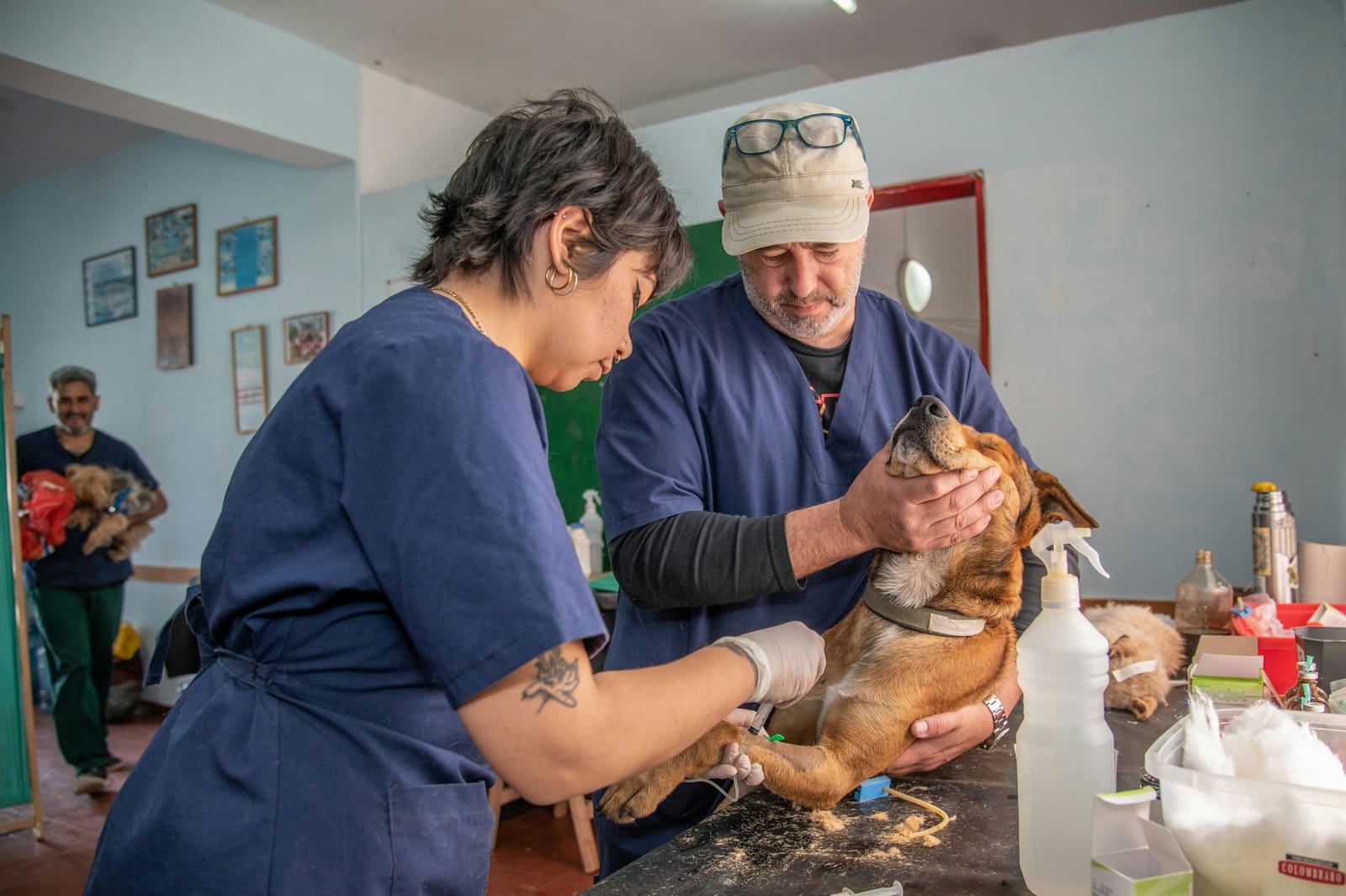
- Small & Large Animal
- Clinic, mobile, and mixed practices each carry distinct exposures
- License on the Line
- Board complaints can arrive with or without a lawsuit attached
- Since 1969
- Serving Ontario County professionals from Bloomfield, NY
Patients Are Property — and That Shapes the Coverage
Under the law, animals are generally their owners' property, and other people's property in your care, custody, and control is commonly excluded from standard liability forms. That is why veterinary programs pair professional liability for treatment claims with animal bailee coverage for patients boarded, hospitalized, or recovering in the clinic. Practices that skip the bailee piece often discover the gap after a kennel-area incident.
The Stan Steele Agency can help you explore coverage options for companion-animal clinics, mobile and farm-call practices, and the boarding, grooming, and daycare operations that increasingly share a roof with them. We work with carriers experienced with animal care risks and can help you see how the pieces fit together.
Coverage Types Veterinary Practices Commonly Consider
Professional Liability
Claims arising from diagnosis, treatment, and surgery — the malpractice coverage at the center of the program.
License Defense
Legal representation for complaints before licensing authorities, which can arrive independently of any lawsuit.
General Liability
Premises injuries — waiting-room bites between patients, slip-and-falls, and incidents during farm calls.
Animal Bailee
Patients and boarders in your care — injury, escape, or death from covered causes outside professional treatment.
Clinic Property & Equipment
The building or suite, surgical and imaging equipment, and labs — with equipment breakdown options for what keeps the practice running.
Workers’ Compensation
Generally required for New York employees — and animal handling makes injuries a real possibility. Learn more.
What Is Typically Covered vs. Common Exclusions
Typically Covered (Subject to Policy Terms)
- Treatment and surgical claimsAlleged professional negligence, via veterinary professional liability
- Client injured in the waiting roomBites between patients and slip-and-falls, via general liability
- Boarded patient injured in the kennel areaVia animal bailee coverage, when purchased
- Fire or covered damage to the clinicThe space, equipment, and supplies under property coverage
- Defense in board proceedingsVia license defense coverage, subject to its limits
Common Exclusions
- Animals in your care, without bailee coverageCare, custody & control exclusions reach patients and boarders alike
- Employee bites and injuries without workers' compStaff injuries belong to workers' compensation, not liability coverage
- Business-use vehicles on personal auto policiesFarm-call trucks and mobile units typically need commercial auto
- Intentional acts and willful violationsLiability coverage is for accidents and alleged negligence, not deliberate misconduct
- Equipment wear and gradual breakdownMaintenance is operational; sudden breakdown may be insurable with the right option
Covered causes and exclusions vary by carrier and policy. Always refer to the policy as issued for the controlling terms.
Buying Into a Practice or Adding Services?
Ownership changes, new associates, boarding and grooming additions, and mobile units all change the program — a conversation first keeps coverage aligned with the practice.
Common Claim Scenarios for Veterinary Practices
Understanding how veterinary claims tend to arise can help you evaluate the coverages that matter:
Complication After Surgery
A routine procedure goes badly and the owner alleges negligence, demanding the animal’s value and expenses. Professional liability may respond with defense and any covered damages, subject to policy terms.
Waiting-Room Bite
One patient bites another — or a client — in the lobby. General liability may respond to the injury claim; intake protocols and leash policies help prevent the next one.
Board Complaint Without a Lawsuit
An unhappy client files a complaint with the licensing authorities even though no suit is filed. License defense coverage may pay for representation through the proceeding.
Kennel Escape During Boarding
A boarded dog slips a gate and is lost. Animal bailee coverage may respond to the owner’s claim, subject to terms — and documented kennel procedures shape the outcome.
Practicing in Finger Lakes Farm Country
The region’s mix of village clinics and working farms shapes veterinary exposures here:
Mixed and Mobile Practices
Dairy herds, horse barns, and hobby farms keep large-animal vets on the road. Trucks outfitted as rolling clinics need commercial auto coverage, scheduled equipment for what they carry, and liability that contemplates work in barns and fields.
Boarding, Grooming, and Daycare Under One Roof
Many clinics have added boarding and grooming revenue. Each added service expands the animal bailee exposure and changes staffing — worth disclosing so the program is rated for the whole operation, not just the exam rooms.
Staff Safety Is an Insurance Issue
Bites, kicks, lifting injuries, and zoonotic exposures make veterinary work physically demanding. Restraint training, safe handling protocols, and accurate workers' compensation classification all matter — for the team first, and for the program's cost second.
What Affects Veterinary Practice Insurance Costs?
Several factors influence how carriers evaluate an animal care practice:
Species Mix and Services
Companion-only clinics, equine work, food-animal practice, surgery volume, and emergency hours each carry their own rating considerations.
Number of Practitioners and Staff
Professional liability is typically rated per veterinarian, and workers’ comp on payroll and classification.
Premises and Equipment Values
Imaging, surgical, and lab equipment add up quickly; accurate schedules avoid surprises after a loss.
Ancillary Operations
Boarding, grooming, daycare, mobile units, and retail product sales each add exposures carriers want disclosed.
Practices That May Help Manage Costs:
- Document informed-consent and treatment communication routines
- Use intake and waiting-room protocols that separate animals
- Train and document safe handling and restraint procedures
- Keep equipment schedules current as the practice grows
- Maintain kennel logs and escape-prevention checks for boarders
- Tell your agent before adding services, units, or associates
Frequently Asked Questions About Veterinarian Insurance
What insurance does a veterinary practice typically carry?
A typical program combines veterinary professional liability (malpractice) for claims arising from care and treatment, general liability for premises injuries like waiting-room bites and slip-and-falls, property coverage for the clinic and its medical equipment, and workers’ compensation, which New York generally requires once you have employees. Practices also commonly consider license defense coverage for board complaints, animal bailee coverage for patients in their care, employment practices liability, and cyber options for client records and payments.
What is the difference between professional liability and general liability for a vet?
Professional liability addresses claims arising from the practice of veterinary medicine — an alleged misdiagnosis, surgical complication, or treatment error. General liability addresses everything else on the premises: a client tripped in the lobby, a dog bites another client in the waiting room, or property damage during a farm call. The two coverages are designed to work together, and claims often get tendered to both while the facts sort out.
What is license defense coverage and why does it matter?
Complaints to the licensing authorities can arrive independently of any lawsuit — an unhappy client can file a complaint even when care was appropriate. License defense coverage is designed to pay for legal representation in disciplinary proceedings, which standard liability policies may not fully address. Because a license is the practice, many veterinarians treat this as core coverage rather than an add-on.
What is animal bailee coverage?
Patients in your clinic — hospitalized, boarded, or recovering — are other people’s animals in your care, custody, and control, which standard liability forms commonly exclude. Animal bailee coverage is designed to respond when animals in your care are injured, lost, or die due to a covered cause such as fire, escape, or alleged negligence outside of professional treatment. Practices that board, groom, or keep overnight patients typically consider it.
I do farm calls for dairy herds and horses. What should I think about?
Large-animal and mixed practices spend their days on the road — trucks outfitted as rolling clinics, controlled substances and equipment aboard, and work happening in barns and fields rather than exam rooms. Commercial auto coverage for the vehicles, scheduled equipment coverage for what they carry, and liability that contemplates off-premises work all deserve attention. Handling large animals also raises the stakes for employee injuries, which makes workers’ compensation classification and payroll accuracy important.
Do veterinary practices need cyber coverage?
Practices hold client contact and payment information, medical records, and increasingly run on cloud practice-management systems — and small medical offices are regular targets for ransomware and payment fraud. Cyber coverage options can address breach response, system restoration, and certain liability, subject to policy terms. It is worth a conversation alongside the rest of the program rather than as an afterthought.
Related Coverage for Animal Care Professionals
Professional Liability
Errors and omissions coverage foundations for licensed professionals.
Business Insurance
Package policy foundations for clinics and service businesses.
Workers' Compensation
Generally required for NY employees — and animal handling raises the stakes.
Equine & Horse Farms
Coverage options for the barns and boarding operations you serve.
How We Can Help:
- Review professional, premises, and bailee exposures together
- Present options from carriers experienced with animal care risks
- Address mobile units and farm-call vehicles explicitly
- Coordinate property, cyber, and employment practices options
- Annual reviews as associates and services are added
Important Information
This information is provided for general educational purposes only and does not constitute insurance advice or policy recommendations. Coverage features described are examples and may not be available in all policies or from all carriers. Actual coverage is subject to the terms, conditions, and exclusions of the policy as issued. Please consult with a licensed insurance professional to discuss your specific coverage needs and options. Stan Steele Agency is licensed in New York State (NYS Insurance License Nos. PC-665308, BR-665308, LA-665308).
Talk Through Coverage for Your Practice
From village small-animal clinics to farm-call trucks working the dairy belt, the Stan Steele Agency can help you explore options. Monday-Friday 8:00AM-5PM • Serving Finger Lakes professionals since 1969.