Houses of Worship Coverage
New York Church & House of Worship Insurance
As a church, synagogue, temple, or other house of worship, your ministry brings people together for services, education, and community programs. Those same activities expose your organization to property loss, liability claims, employment matters, and the uniquely serious risk of abuse and molestation allegations. Without proper coverage, a single incident could threaten the building, the finances, and the individuals who volunteer to lead.
- NYS Licensed Agency
- Certificates of Insurance Available
- Multiple Carrier Options
- Abuse & Molestation
- A critical exposure for ministries serving children and youth
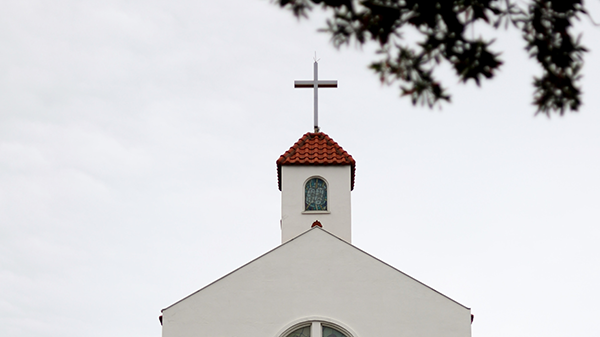
- Property & Steeple
- Buildings, stained glass, organs, and religious articles
- Since 1969
- Serving New York organizations and communities
Why Insurance Matters for Houses of Worship
A church is far more than a building. It is a gathering place for worship, education, fellowship, and community outreach — and each of those activities carries its own exposures. A visitor who slips on the front steps, a fire that damages an irreplaceable stained glass window, an allegation involving a youth program, or a governance dispute among trustees can each lead to a significant claim. Proper insurance is an essential part of stewarding a congregation and its property in New York.
The Stan Steele Agency can help you explore insurance options designed for religious organizations — whether you are a small congregation, a large parish, or a ministry with a school, daycare, or food pantry. We work with carriers experienced with houses of worship to present coverage options that may fit your specific programs and property.
What Is Church Insurance?
Church insurance refers to a package of commercial insurance coverages tailored to the risks faced by houses of worship and religious organizations. Rather than a single policy, a complete church program typically combines several coverage types to address different exposures — from a fire that damages the sanctuary to an allegation arising from a youth program.
The specific coverages your congregation may need depend on factors like the programs you operate, whether you have paid clergy and staff, the activities and events you host, the vehicles you use, and the value and features of your building. Lenders, landlords, and organizations you partner with may also require proof of specific coverages.
Core Coverage Components for Houses of Worship:
Liability Coverages:
- General liability (premises & events)
- Sexual abuse & molestation liability
- Directors & officers (management) liability
- Employment practices & pastoral counseling
Property & Other Coverages:
- Property (building, steeple & contents)
- Workers' compensation
- Hired & non-owned auto (vans & volunteers)
- Crime / fidelity (offerings & donations)
Essential Coverage Types for Churches
Property Insurance
Covers the building and its contents against covered causes of loss such as fire, wind, and certain water damage. Church buildings often include features that need special attention — steeples, stained glass windows, pipe organs, bells, pews, and religious articles — many of which carry special valuation needs that a generic property form may not address.
Replacement of historic or irreplaceable features is subject to the policy's valuation terms, limits, and any scheduled endorsements.
General Liability Insurance
The foundation of a church insurance program. General liability covers claims of bodily injury or property damage arising from premises and activities — worship services, fellowship halls, festivals, and other gatherings. For congregations this commonly includes a congregant or visitor injured on the steps, in the parking lot, or during an event.
Standard limits are typically $1,000,000 per occurrence / $2,000,000 aggregate, though some venues and partners may request higher limits.
Sexual Abuse & Molestation Liability
A critical exposure for any organization serving children and youth — Sunday school, nursery, daycare, youth groups, and similar programs. This coverage is generally designed to respond to claims alleging abuse or molestation, and is often addressed through a specific coverage grant that may carry its own limit or sublimit.
Coverage is subject to policy terms, conditions, and exclusions, and underwriters commonly consider screening, training, and supervision practices.
Directors & Officers / Management Liability
Decisions made by the board, vestry, council, or trustees can lead to claims alleging wrongful acts in the governance of the organization. Directors and officers liability may help respond to defense costs and resulting liability for those serving in these volunteer leadership roles.
Many churches consider this alongside coverage for the organization's paid staff. Learn more about nonprofit coverage
Employment Practices & Pastoral Counseling Liability
Churches with paid clergy and staff face employment-related exposures — allegations of wrongful termination, discrimination, or harassment — that employment practices liability is generally designed to address. Separately, claims arising from pastoral counseling may be addressed through pastoral or counseling professional liability, subject to policy terms.
Workers' Compensation
Mandatory in New York for virtually all organizations with employees. Workers' comp may cover medical expenses and a portion of lost wages for clergy and staff injured in the course of their work. Rules regarding clergy, volunteers, and religious organizations can be nuanced and are worth reviewing.
Coverage requirements depend on staffing and classification. Learn more about NY Workers' Comp
Hired & Non-Owned Auto
Volunteers and staff often drive their own vehicles for church activities, and many congregations operate a church van or bus. Hired and non-owned auto coverage is generally designed to respond to liability when a vehicle the church does not own is used for church purposes. An owned church van typically requires its own commercial auto coverage.
Crime / Fidelity & Special Events
Churches handle offerings, donations, and program funds, which creates an exposure to theft and employee dishonesty that crime / fidelity coverage is generally designed to address. Coverage for special events and business interruption may also be available to help respond to a covered loss of income while the building is being repaired, subject to policy terms.
What Is Typically Covered vs. Common Exclusions
Typically Covered
- Damage to the building and contentsFire, wind, and certain water damage to the sanctuary, steeple, and furnishings
- Visitor and congregant injuriesSlip-and-fall and other injuries on premises or at events, via general liability
- Abuse & molestation allegationsClaims addressed through specific abuse and molestation coverage, subject to its limit
- Governance & employment claimsWrongful acts by leadership and employment disputes, via D&O and EPL coverage
- Theft of offerings and fundsEmployee dishonesty and certain theft, via crime / fidelity coverage
- Legal defense costsAttorney fees and court costs for covered claims
Common Exclusions
- Wear, deterioration & maintenanceGradual deterioration of an aging building rather than a sudden covered loss
- Flood and earth movementTypically excluded from standard property forms and may require separate coverage
- Owned-auto claims without auto coverageA church van generally needs its own commercial auto policy, not just non-owned auto
- Abuse limits and sublimitsAbuse and molestation coverage may be capped below the general liability limit
- Intentional or criminal actsIntentional wrongdoing by the organization is generally not covered
- Employee injuries (without workers' comp)General liability does not cover staff injuries — workers' comp is required
Covered causes and exclusions vary by carrier and policy. Always refer to the policy as issued for the controlling terms.
Need a Certificate of Insurance for Your Facility?
We can help you explore coverage options and provide certificates and additional insured endorsements as needed.
Common Claim Scenarios for Houses of Worship
Understanding how claims typically arise can help you appreciate the importance of proper coverage:
Visitor Slips on the Front Steps
A visitor arriving for a service slips on icy front steps and is injured. General liability (premises and events) may respond to the resulting bodily injury claim, subject to policy terms.
Fire Damages Stained Glass
A fire damages the sanctuary, including historic stained glass windows and the pipe organ. Property coverage may respond to the loss, with replacement subject to the policy's valuation terms and any scheduled coverage for those features.
Allegation Involving a Youth Program
An allegation of misconduct arises from a youth ministry activity. Sexual abuse and molestation coverage may respond to defense costs and resulting liability, subject to its limit and the policy terms and conditions.
Theft of Offerings
Funds collected during services go missing, and an internal review points to employee dishonesty. Crime / fidelity coverage may respond to the loss of the church's funds, subject to policy terms.
Risks Specific to Churches
Houses of worship face a distinct set of exposures. Understanding these can help you evaluate your coverage needs:
Programs Serving Children & Youth
Sunday school, nursery, daycare, and youth groups create one of the most serious exposures a congregation faces. Beyond insurance, recognized risk management practices — background screening, training, and supervision policies — are commonly considered by underwriters and are an important part of protecting the people the ministry serves.
Historic & Hard-to-Value Property
Steeples, stained glass, pipe organs, bells, and religious articles can be difficult to value and even harder to replace. These features may have special valuation needs that are best addressed before a loss occurs, so coverage limits reflect what it would actually take to repair or restore them.
Events, Festivals & Facility Use
Fellowship meals, festivals, concerts, weddings, and renting the hall to outside groups all broaden a church's liability footprint. Food service, parking, and large gatherings introduce exposures that go beyond a typical Sunday service and may warrant additional review.
Governance, Staff & Counseling
Volunteer boards make decisions about employment, finances, and operations, and paid clergy and staff create employment-related exposures. Pastoral counseling can also give rise to claims. Directors and officers, employment practices, and pastoral counseling liability address risks that property and general liability policies are not designed to cover.
Transportation & Volunteers Driving
Church vans, youth trips, and volunteers using personal vehicles for church errands create auto exposures. Owned vehicles generally require commercial auto coverage, while hired and non-owned auto is generally designed to address vehicles the church does not own that are used for its activities.
What Affects Church Insurance Costs?
Several factors influence your insurance costs. Understanding these can help you manage them effectively:
Programs & Activities
Ministries that operate schools, daycares, youth programs, or frequent public events generally carry greater exposure than a congregation that primarily holds weekly services. The scope of your programs is a key factor in how a church is evaluated.
Building Value & Features
The size, age, construction, and special features of your building — steeple, stained glass, organ, and historic elements — affect the property values insured and how a loss would be valued. Updated values help align coverage with replacement realities.
Staffing & Payroll
Whether the church has paid clergy and staff affects workers' compensation and employment-related coverages. Payroll is typically a rating basis for workers' comp, and staffing shapes the employment practices exposure.
Risk Management & Claims History
Documented screening and supervision policies, facility maintenance, and a clean loss history are among the factors underwriters commonly weigh. Strong practices and a clean claims record are among the most effective ways to manage church insurance over time.
Practices That May Help Manage Costs:
- Maintain background screening for staff and volunteers working with youth
- Document supervision and child-protection policies
- Keep building values and feature schedules up to date
- Maintain the facility, walkways, and parking areas proactively
- Require certificates of insurance from groups using your facility
- Bundle coverages with one carrier for potential efficiencies
Frequently Asked Questions About Church Insurance
What insurance does a church or house of worship need in New York?
Churches in New York typically carry a package of coverages rather than a single policy. This commonly includes property insurance for the building and contents, general liability for services and events, sexual abuse and molestation liability, directors and officers (management) liability for the board or vestry, workers’ compensation for clergy and paid staff, hired and non-owned auto for volunteers and church vans, and crime/fidelity coverage for the handling of offerings. Pastoral counseling professional liability may also apply. The coverages that may fit your congregation depend on your activities, programs, staffing, and the value of your property.
Why is sexual abuse and molestation coverage so important?
Organizations that serve children and youth — through Sunday school, daycare, nursery, youth groups, and similar programs — face a serious abuse and molestation exposure. Claims of this type can be financially and reputationally devastating. Many church policies address this risk through specific sexual abuse and molestation liability coverage, which may be subject to its own limit or sublimit and to terms, conditions, and exclusions. Screening, training, and supervision practices are commonly considered alongside this coverage.
Does church property insurance cover stained glass and a steeple?
Church buildings often include features that standard commercial property forms may not value the way a congregation expects — steeples, stained glass windows, pipe organs, bells, and religious articles. These items may have special valuation needs, and some are addressed through scheduled coverage or specific endorsements. Coverage for any particular item is subject to the terms, conditions, limits, and exclusions of the policy as issued.
What is directors and officers (D&O) coverage for a church?
Directors and officers liability — sometimes called management liability — generally responds to claims alleging wrongful acts in the governance of the organization. For a church, that can include the actions of the board, vestry, council, or trustees. Decisions about employment, finances, membership, and operations can lead to claims against the individuals serving in these volunteer roles, and D&O coverage may help respond to defense costs and resulting liability, subject to policy terms.
Do volunteers and church vans need auto coverage?
Churches frequently rely on volunteers and staff who drive their own vehicles for church activities, and many operate a church van or bus. Hired and non-owned auto coverage is generally designed to respond to liability arising when a vehicle the church does not own — such as a volunteer’s personal car — is used for church purposes. Owned vehicles like a church van typically require their own commercial auto coverage. Coverage outcomes depend on the policy language.
Is workers’ compensation required for clergy and church staff?
Workers’ compensation is mandatory in New York for virtually all organizations with employees, and churches with paid clergy or staff are generally subject to those requirements. Coverage may pay for medical treatment and a portion of lost wages for employees injured in the course of their work. Rules regarding clergy, volunteers, and certain religious organizations can be nuanced, so it is worth reviewing your specific situation with a licensed insurance professional.
5 out of 5 stars
“Support from Stan Steele Insurance has made it possible for us to move forward with restoration of the historic 1816 Quaker Meetinghouse in Farmington, NY. Working with local businesses is the way to go!”
Individual client experience. Reviews reflect personal opinions and are not a guarantee of future results or coverage. Read more client reviews
Related Coverage for Houses of Worship
Nonprofits
Coverage options for nonprofit organizations, including management and volunteer exposures.
General Liability
Premises and event liability for injuries and property damage arising from your activities.
Workers' Compensation
Mandatory for NY organizations with employees. Covers work-related injuries and illnesses.
Business Insurance
Property and liability coverage options that can be tailored for religious organizations.
How We Can Help:
- Certificates of insurance for your facility
- Additional insured endorsements
- Multiple carrier options
- Coverage for congregations large and small
- Options for property, liability, abuse & molestation, and D&O
Important Information
This information is provided for general educational purposes only and does not constitute insurance advice or policy recommendations. Coverage features described are examples and may not be available in all policies or from all carriers. Actual coverage is subject to the terms, conditions, and exclusions of the policy as issued. Please consult with a licensed insurance professional to discuss your specific coverage needs and options. Stan Steele Agency is licensed in New York State (NYS Insurance License Nos. PC-665308, BR-665308, LA-665308).
Protect Your House of Worship
From the sanctuary and steeple to youth programs and community events, the Stan Steele Agency can help you explore insurance options that may fit your congregation. Monday–Friday 8:00AM–5PM • Serving New York since 1969.